
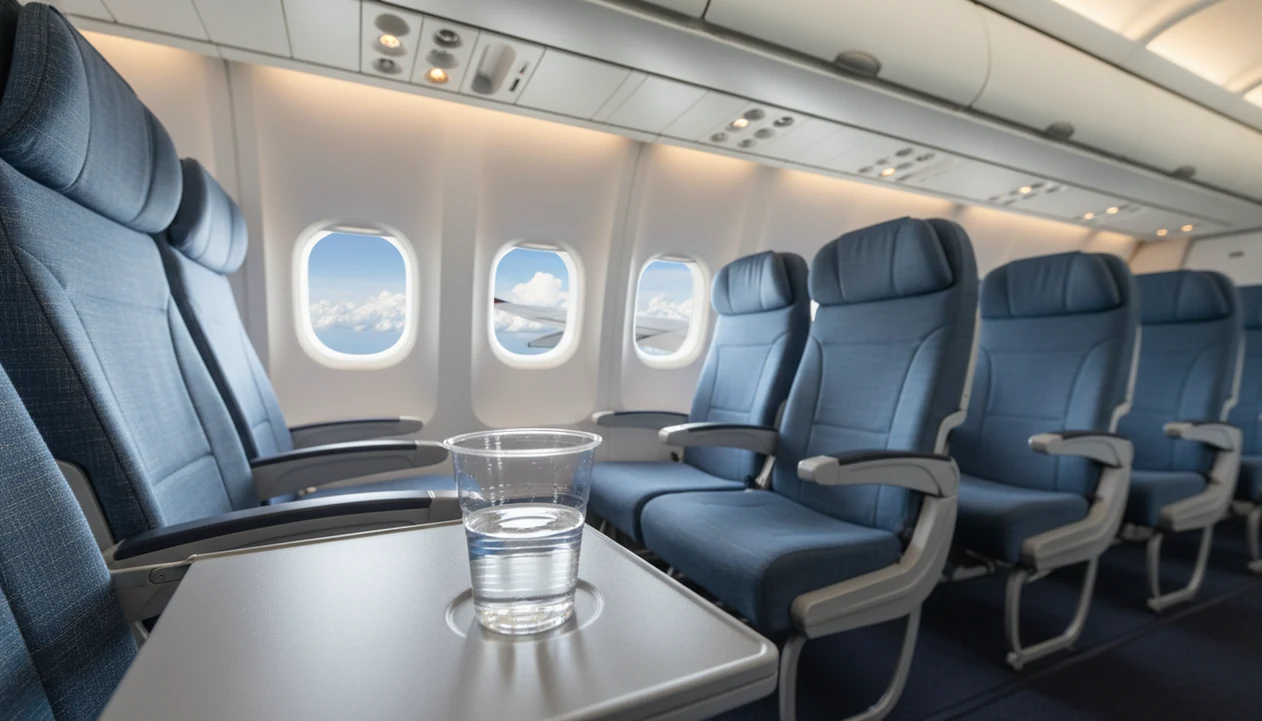
> Definition: Fear of turbulence is a specific flight-related anxiety in which normal changes in air currents around the aircraft trigger catastrophic thoughts, physical panic symptoms, and avoidance behavior despite turbulence posing virtually no structural risk to modern airliners.
What Fear Of Turbulence Actually Is
Fear of turbulence is intense worry or panic when a plane shakes, bumps, dips, or rolls slightly in uneven air. It is different from ordinary dislike because the body reacts as if the aircraft is in immediate danger.
A nervous flyer may grip the armrests, stare at the flight attendants, scan engine sounds, or watch the seat belt sign like it is a medical monitor. Some people avoid trips for years after one rough descent. The shoulder strap tug during a bump can feel like proof that something is wrong, even when the aircraft is behaving normally.
Survey-level research suggests about one in three people report some fear of flying, and turbulence is a common trigger source. The fear is usually about unfamiliar motion and lost control, not the actual structural safety of the plane.
That little pocket-checking ritual—boarding pass, phone, seatbelt, crew faces—can become part of the fear loop when every bump feels like new evidence.
Who This Turbulence Anxiety Plan Is For
This plan is for nervous flyers who know the safety facts but still feel their body surge into panic when the cabin starts to bump. It is also for travelers whose memories of one rough flight have become so vivid that booking the next trip feels impossible.
Use it as self-help, a practice companion, or a way to organize what you already discuss with a therapist. It is not meant to replace professional care, especially if flying fear sits alongside panic disorder, trauma symptoms, compulsive checking, or medication questions.
- Use it if you understand turbulence is usually safe but still freeze, cry, grip the armrest, or scan the crew for danger cues.
- Use it if you have started avoiding holidays, work trips, family visits, or certain routes because the last bumpy flight still feels present.
- Use it alongside therapy if you are already working on anxiety, exposure, or phobias and want flight-specific language and routines.
- Seek urgent medical or psychiatric help instead if you have chest pain, fainting, suicidal thoughts, psychosis, severe withdrawal symptoms, or any symptom that feels medically unsafe.
5 Facts About Turbulence Anxiety Every Nervous Flyer Needs
These five facts matter because turbulence anxiety usually grows in the gap between what the body feels and what the aircraft is actually doing. Keep them in your Notes app before you open the airline app.
- Turbulence is normal air movement. A plane moving through uneven air is more like a boat crossing choppy water than a machine failing. - Airliners are built for forces beyond routine turbulence. Wings flex by design, and that movement helps the aircraft absorb load. - The main safety risk is inside the cabin. Loose items and unbelted passengers are the problem, not the aircraft breaking apart. The FAA also frames turbulence primarily as an injury risk for passengers and crew who are not seated or belted, rather than as a structural threat to the aircraft source. - Panic sensations are not danger signals. A racing heart, dry mouth, or stomach drop can be your threat system misreading motion. - Skills work better when combined. Aviation education, breathing, grounding, and CBT-style thought practice usually help more than reassurance alone.
For turbulence anxiety, learning what the plane is doing is often easier than trying to “calm down” by force because facts give the brain a specific alternative story.
How Turbulence Works Inside The Atmosphere And Aircraft
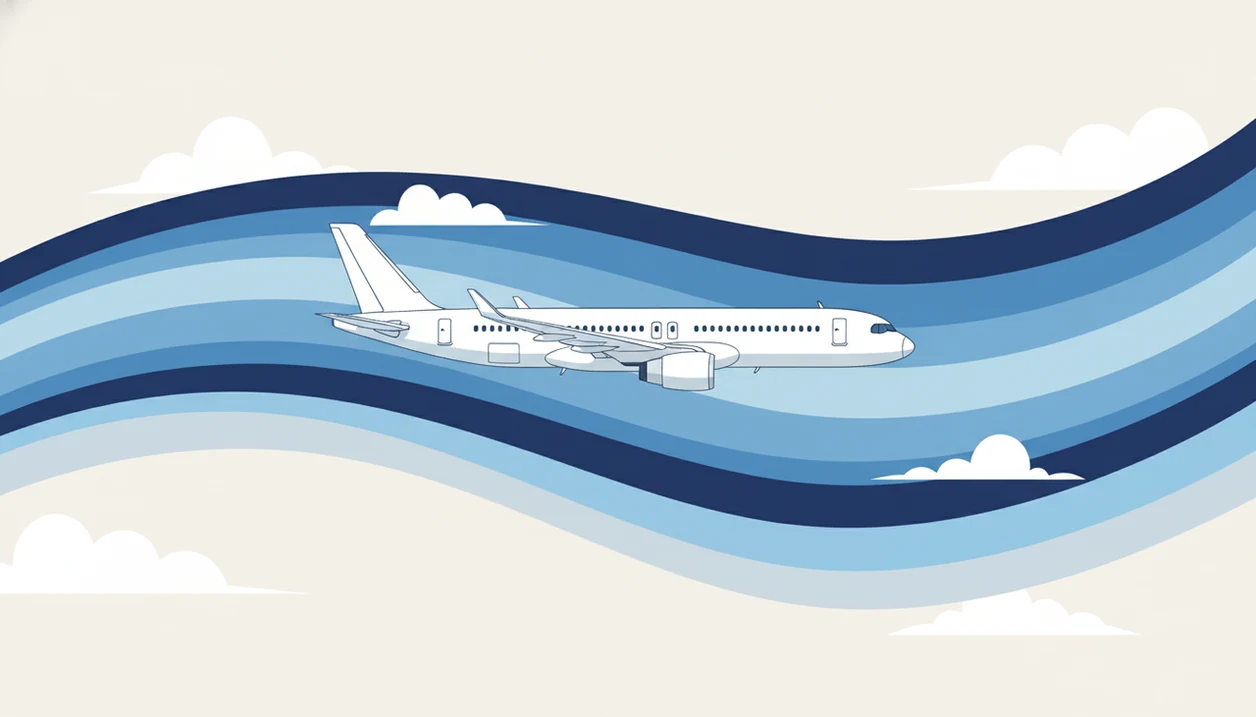
Turbulence happens when an aircraft passes through uneven air currents, and the plane responds by flexing, correcting, and continuing to fly. The motion can feel dramatic because your inner ear is sensitive to acceleration without giving you a window-sized engineering readout.
Air Current Types That Cause Bumps
Convective turbulence comes from rising warm air, often near clouds. Clear-air turbulence happens without visible cloud cues, which is why it can feel so sudden. Mechanical turbulence forms when wind moves around mountains or buildings. Wake turbulence trails behind another aircraft, so air traffic control separates planes to manage it.
Aircraft Engineering Safety Margins
Commercial aircraft are tested for structural loads far beyond normal flight forces. Wings are meant to flex, not stay stiff. Pilots also use forecasts, onboard weather radar, route changes, altitude requests, and speed management. The detailed pilot side is covered in how pilots handle turbulence.
From 2008–2017, Boeing’s accident summary found no fatal large-jet airline crashes attributed solely to turbulence source.
4 Turbulence Myths That Feed Passenger Fear
Turbulence myths stick because they explain a scary body feeling with a scary story. Replace the story before the cabin door closes with a thud.
| Myth | Reality |
|---|---|
| “Turbulence can snap the wings off.” | Airliner wings are tested to flex under loads far beyond routine severe turbulence. Flexing is part of the design. |
| “A sudden drop means free-fall.” | Most altitude changes are small. Your inner ear can exaggerate the sensation when you lack a stable visual reference. |
| “Pilots are scared too.” | Pilots treat turbulence as an operational issue. They may change speed or altitude for comfort and cabin safety. |
| “If I’m terrified now, I’ll always hate flying.” | Turbulence anxiety is treatable with CBT, exposure, education, and repeated practice. |
If your main question is whether bumps mean the plane is unsafe, the deeper safety explanation is here: is turbulence dangerous.
A good fear-of-flying resource should explain causes, treatments, coping strategies, and tools for nervous flyers, not sell one magic calming trick.
Before You Start: Check Your Turbulence Anxiety Plan
Before you follow in-flight calming steps, decide what kind of problem you are managing: anxiety, a medical concern, or both. A simple plan made before boarding prevents airport stress, weak Wi-Fi, and a jolt of caffeine from making every bump feel like an emergency.
- Separate anxiety symptoms from warning signs. Racing thoughts, trembling, sweating, and a stomach drop can be panic, but chest pain, fainting, new neurological symptoms, or breathing trouble deserve medical judgment rather than self-reassurance.
- Choose one information source. Use one weather update, airline message, or pilot explanation, then stop refreshing. Repeated checking usually feeds the “maybe something changed” loop.
- Set your body plan early. Decide when you will buckle your seatbelt, how much caffeine you will skip, whether alcohol is off the table, and how you will handle any prescribed medication exactly as directed.
- Download your coping tools. Save breathing tracks, playlists, worksheets, videos, or notes before the terminal noise starts and the signal drops.
- Tell your companion what helps. Ask for specific support, such as quiet reminders or distraction, and name what makes panic worse, like joking about crashes or repeatedly asking if you are okay.
Pre-Flight Preparation For Turbulence Anxiety
Pre-flight preparation works best when it lowers uncertainty without turning into compulsive checking. Make the plan boring on purpose, then stop refreshing.
Use one turbulence forecast or pilot weather explanation to set expectations. Do not keep checking it every ten minutes. Watch one pilot-led video on turbulence, then write a two-line thought challenge: “My fear says the plane will drop out of the sky. The evidence says turbulence is uncomfortable air movement, and pilots manage it routinely.”
Choose a seat over the wings if you can. Motion is usually less pronounced near the aircraft’s center of gravity. Pack gum in the front pocket, download a playlist, and charge your phone before the airport.
Skip extra caffeine and alcohol. A jittery body is easier to misread at the gate, especially with a boarding pass glowing on a phone and a dry mouth you keep trying to ignore.
6 Steps To Calm Fear Of Turbulence During A Flight
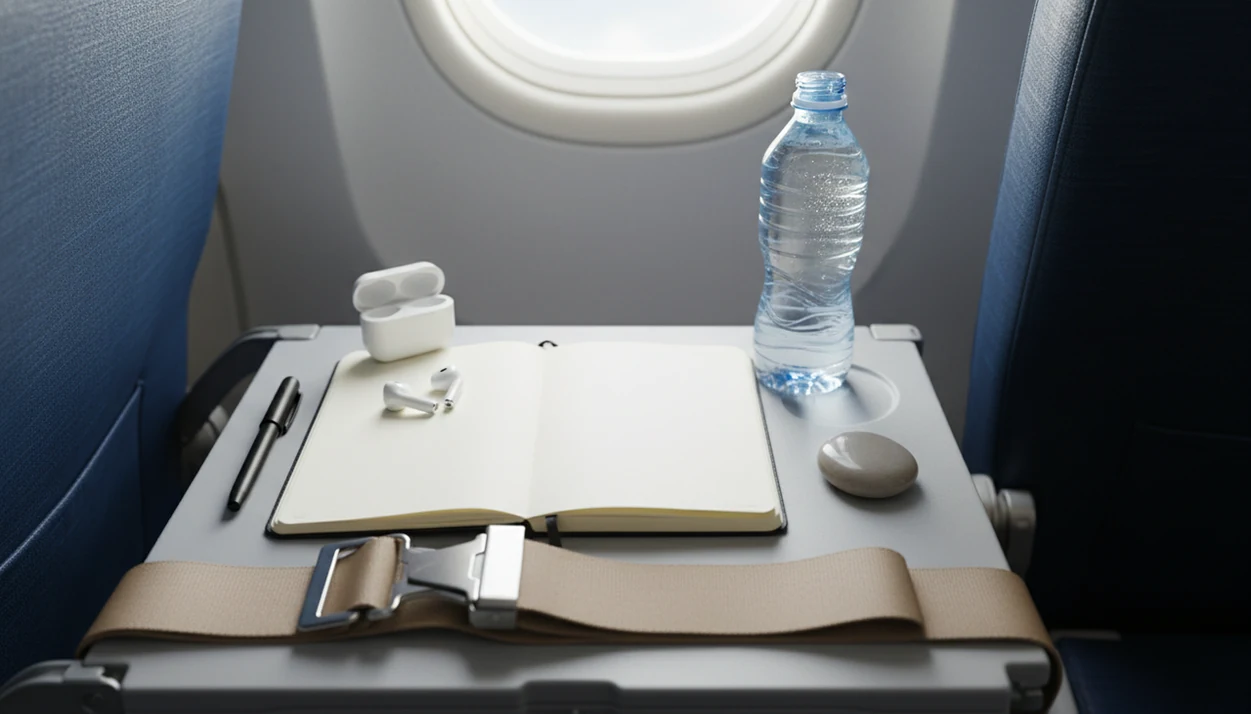
Use fear-of-turbulence steps as a short flight-day plan, not as a test of whether you feel calm immediately. Your goal is to give your body one small job at a time.
- Fasten your seatbelt and plant both feet flat. Physical anchoring reduces the helpless, floating feeling that often fuels panic.
- Breathe in a 4-7-8 pattern. Inhale for 4, hold for 7, exhale for 8, and repeat four rounds.
- Label the event plainly. Say, “This is turbulence, not danger,” to interrupt the catastrophic loop.
- Use 5-4-3-2-1 grounding. Name five things you see, four you feel, three you hear, two you smell, and one you taste.
- Redirect attention to one task. Start a podcast, puzzle, downloaded show, or quiet conversation.
- Record the outcome after it stops. Type, “The plane bumped, I panicked, and the plane stayed fine.”
Clinical guidance for specific phobias commonly supports CBT and exposure-based practice because these methods target catastrophic thoughts, avoidance, and safety behaviors source. Tools like Fear of Flying Guide, pilot videos, and structured worksheets can support that practice, but they do not replace care for severe panic.
Turbulence Anxiety And Fear-Of-Flying Mechanisms
Turbulence anxiety often runs on intolerance of uncertainty, which means the brain treats “I don’t know what happens next” as “something bad is happening.” Hyper-vigilance then turns normal body sensations into threat evidence.
You notice your heart rate. Then you check the crew’s faces. Then you feel a stomach drop and decide the aircraft must have dropped dangerously. The loop tightens fast, especially if you already typed “I can’t do this” to someone before boarding.
Avoidance keeps the fear alive. Cancelling flights, refusing certain routes, or only flying after hours of reassurance teaches the brain that escape was what kept you safe. CBT challenges the thought pattern. Exposure therapy helps you face flying cues gradually. Virtual reality exposure therapy, or VRET, can recreate cabin sensations before a real trip. Reviews of virtual reality exposure therapy suggest it can reduce specific-phobia symptoms for some patients, although access, therapist guidance, and study quality vary source.
The most common medically supported way to reduce phobic fear is CBT combined with gradual exposure, while medication may help short-term symptoms for selected people under medical guidance.
When To Get Professional Help For Fear Of Turbulence
Get professional help for fear of turbulence when panic, avoidance, or safety rituals are starting to run your travel decisions. Self-help can be useful, but escalating symptoms, medication questions, or new physical symptoms deserve real clinical judgment.
A good threshold is simple: if the fear is shrinking your life, bring in support. That might mean calling your primary care clinician, a licensed therapist, or a psychiatrist before the next trip instead of trying to white-knuckle another boarding line.
- Notice escalation early. Track panic attacks, cancelled trips, route restrictions, repeated crew-scanning, or compulsive turbulence-checking that grows from “preparation” into hours of reassurance seeking.
- Ask a clinician before sedating yourself. Do not combine alcohol, sleep aids, benzodiazepines, antihistamines, or other prescriptions without medical advice, especially before flying.
- Consider CBT or exposure therapy. If breathing, facts, and apps work at home but collapse in the cabin, structured treatment can help the learning transfer.
- Seek urgent care for red flags. Chest pain, fainting, severe shortness of breath, new neurological symptoms, or any sudden symptom that feels medically unsafe should be treated as medical first, not “just anxiety.”
5 Mistakes People Make When Scared Of Turbulence
People who are scared of turbulence often try to control the fear in ways that make the next flight harder. Fix the pattern early.
- Using alcohol or sedatives as the main crutch. They can delay learning, impair alertness, and create a new “I can’t fly without it” rule.
- Doom-scrolling incident stories. Reading rare aviation headlines at midnight teaches your brain to rehearse danger.
- Tensing the whole body. Locked shoulders and clenched legs increase fatigue and make every bump feel sharper.
- Buying instant-cure tools without evidence. Apps, gadgets, and hypnosis tracks vary widely; practice matters more than the label.
- Avoiding all flights. Avoidance gives short-term relief but strengthens the fear cycle.
If you want a digital tool, compare what it actually teaches. An app that explains turbulence in flight is more useful when it pairs aviation facts with coping practice.
Limitations
Self-help for turbulence anxiety can reduce panic, but it cannot control the atmosphere or replace medical care when symptoms are severe. Keep these caveats in the plan.
- No breathing method, app, course, or pilot explanation can guarantee a smooth flight.
- Some turbulence is hard to predict, especially clear-air turbulence.
- Statistics can lower fear, but one dramatic news clip can still re-trigger anxiety.
- Severe flying phobia, panic disorder, trauma symptoms, or compulsive checking may need a therapist.
- Medication decisions should be made with a doctor, especially if you mix prescriptions, alcohol, or medical conditions.
- Instant fear-removal gadgets usually lack strong clinical evidence.
- Most available research comes from high-income Western countries, so results may not fit every culture or aviation system.
- A seat over the wings may feel calmer, but it cannot remove all motion.
FearOfFlying.com can be part of a practice plan, but lasting change usually comes from repeated exposure, better explanations, and skills used before anxiety peaks.