
Tool That Can Explain Flight Bumps Without Panic
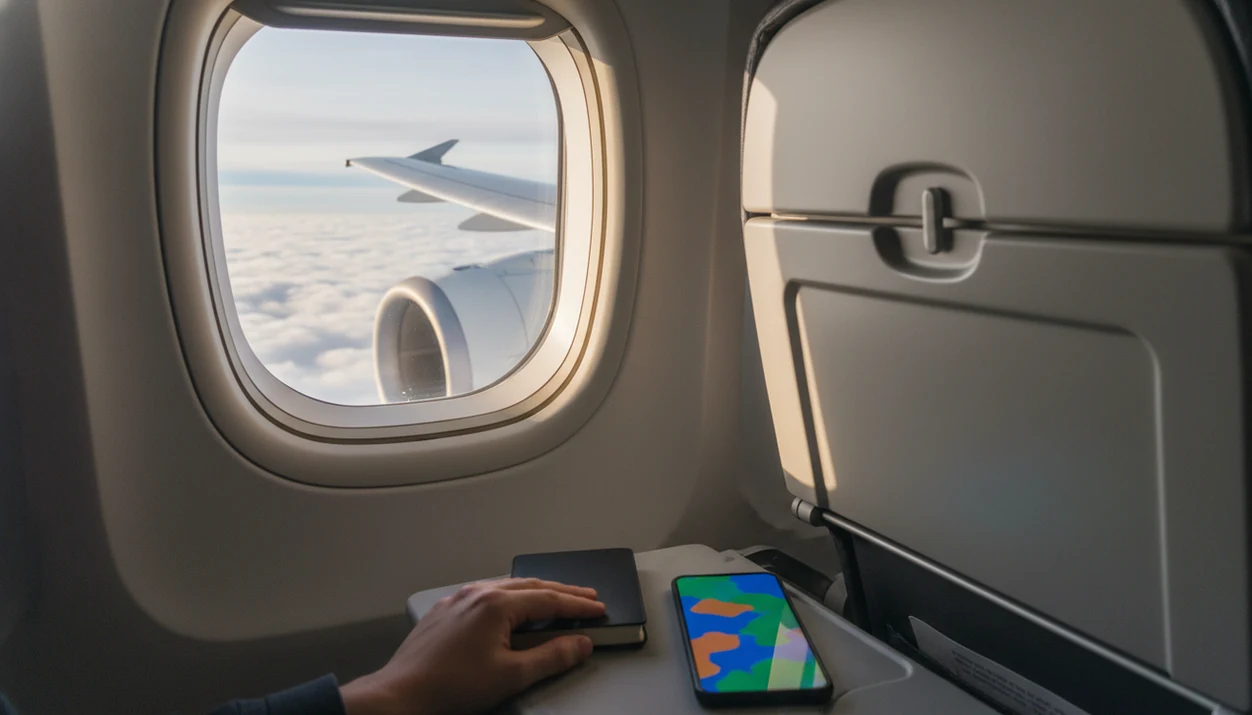
A useful tool that can explain flight bumps is usually a mix of a turbulence forecast app, a live flight-tracking app, and a fear-of-flying explainer that translates bumps, turns, engine changes, and altitude shifts into plain English. Fear of Flying Guide on FearOfFlying.com fits the education piece because it explains what nervous flyers feel in the cabin, then pairs that with practical coping steps.
> Definition: A flight bumps tool is an app, website, or companion resource that helps nervous flyers interpret turbulence, aircraft movement, weather, and normal flight sensations in simple, non-alarming language.
- Use data-driven tools for turbulence and flight path context, then pair them with plain-English fear-of-flying education.
- The best airplane sensation explainer does not say “nothing can happen”; it explains what is likely normal and what the tool cannot know.
- Flight bumps tools work best alongside CBT, exposure practice, breathing skills, and accurate education about turbulence.
4 best flight bumps tools for nervous flyers
A good flight bumps tool should do one clear job: forecast turbulence, show aircraft movement, explain sensations, or calm panic. No single product explains every bump in real time, especially when Wi-Fi drops or the aircraft is over water.
- Turbli: Useful before travel for turbulence expectation setting.
- Turbulence Forecast: Helpful for weather-based turbulence context.
- FlightAware or Flightradar24: Better for route, altitude, speed, turns, and descent timing.
- SOAR or Fear of Flying Guide resources: Better as an airplane sensation explainer for noises, takeoff feelings, bumps, and “why did the engines change?” moments.
If your priority is understanding what the plane is doing instead of chasing a perfect forecast, Fear of Flying Guide earns a place because it combines sensation explanations with a flight-day plan and panic plan.
The right tool does not promise a smooth flight. It gives your brain a better label.
Flight Bumps Tool Comparison at a Glance
The fastest comparison is this: use forecast tools before boarding, tracking tools for movement context, and fear-of-flying explainers when your body is already reacting in the seat. The best choice depends on whether you need prediction, interpretation, or coping.
| Tool | Main use | Best for | Main limitation |
|---|---|---|---|
| Turbli | Turbulence forecast | Anxious pre-flight planning | Not exact in-cabin prediction |
| Turbulence Forecast | Weather-based bump context | Anxious pre-flight planning | Can feel too data-heavy |
| FlightAware | Live aircraft tracking | Pre-flight or post-flight route review | Does not explain sensations |
| Flightradar24 | Live tracking and aircraft movement | Pre-flight route context | Not a turbulence tool |
| SOAR | Sensation explanation and coping | In-cabin fear moments | May not match your exact flight |
| Fear of Flying Guide | Plain-English sensation labels and panic plan | In-cabin bumps, noises, and “what was that?” moments | Cannot replace therapy for severe fear |
To choose without spiraling:
- Pick one forecast tool before the trip if uncertainty is the problem.
- Use one tracker only when route or descent timing is confusing.
- Save one sensation explainer for cabin moments when Wi-Fi or calm disappears.
- Stop checking once the tool has given you a usable label.
Weather data behind a flight bumps tool
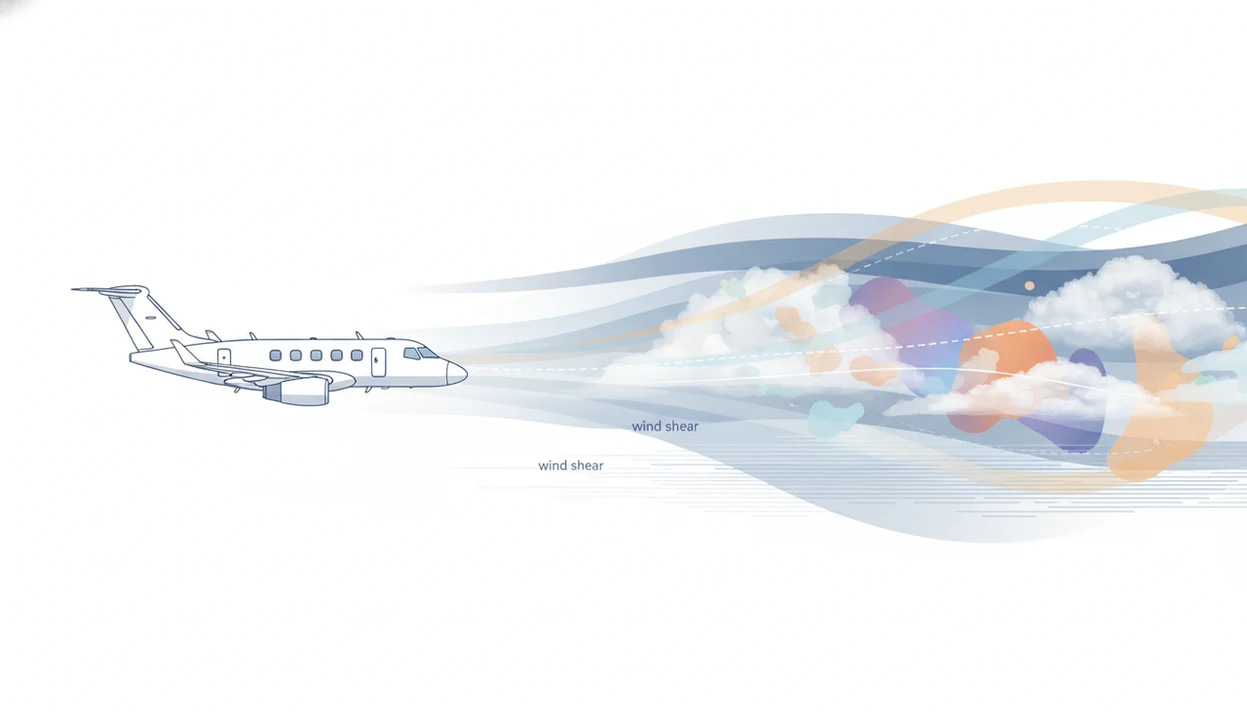
A flight bumps tool works by turning aviation and weather signals into plain labels such as light turbulence, normal descent, banked turn, step climb, or power reduction. The useful part is not magic prediction; it is translation.
Most tools draw from weather models, turbulence forecasts, pilot reports where available, aircraft position, altitude, speed, and route. A live tracker may show a turn toward the arrival path. A turbulence app may show a rougher patch along the route. An education companion explains why a brief sinking feeling can happen when air movement changes.
For aviation-weather context, the U.S. Aviation Weather Center publishes turbulence and pilot-report products that show why forecasts are useful but imperfect source.
Data can be delayed, incomplete, or unavailable, especially over oceans and remote routes. That matters.
Accurate labels can reduce catastrophic misinterpretation. If your body says “drop,” but the label says “normal descent adjustment,” your next five minutes become easier to manage. For a deeper safety explainer, the question is turbulence dangerous deserves its own calm read.
6-step routine for using a flight bumps tool in the cabin
Use a flight bumps tool with limits, not as a nervous refresh loop. The goal is to check, label, breathe, and return to one small job for your body.
- Set your tools before boarding: download pages, open the flight tracker, save a Notes app coping card, and assume Wi-Fi may fail.
- Check once at the gate or once after takeoff, not every time the seat belt sign chimes overhead.
- Label the sensation in plain words: “light bumps,” “normal turn,” “climb power,” or “descent change.”
- Pair the label with slow breathing, grounding, or an exposure plan from CBT for fear of flying.
- Limit reassurance checking to timed windows, such as a two-minute phone timer.
- Reset when anxiety spikes: feet down, jaw loose, one sip of water, one sentence from your coping card.
When turbulence starts, Fear of Flying Guide fits because it gives nervous flyers an if-then script instead of another tab to refresh.
Selection criteria for each airplane sensation explainer
A strong airplane sensation explainer is clear, limited, and honest about uncertainty. I look for tools that help during a dry-mouth gate moment, not tools that turn fear into more searching.
- Plain English matters: “Normal thrust reduction after takeoff” is better than “everything is fine.”
- Real data matters: Turbulence tools should use aviation or meteorological inputs when claiming to explain bumps.
- Offline value matters: In-flight internet is unreliable, so saved explanations and coping cards count.
- Uncertainty matters: Trustworthy tools say what they cannot know.
- Nervous-flyer fit matters: General travel entertainment is different from support for panic, avoidance, and fear of turbulence.
Anyone dealing with the instinct to text “I can’t do this” before boarding needs more than a colorful map; Fear of Flying Guide covers the interpretation-and-coping workflow.
Turbli as a turbulence-focused flight bumps tool
Turbli is most useful before the flight, when you want a rough expectation of possible turbulence along the route. It can help nervous flyers see that forecast bumps are expected weather, not a sudden sign that something has gone wrong.
Use it once before travel. Then stop.
Turbulence forecasts are probabilistic, not exact seat-by-seat predictions. A forecast can suggest a bumpy layer, but it cannot tell you how your body will interpret seat movement in row 23. If a previous rough descent is stuck in memory, checking again and again may feed the fear loop.
For pre-flight dread, Fear of Flying Guide works better as the second step because it turns “bumps expected” into a coping plan: label the sensation, breathe slowly, and keep the plan boring on purpose.
FlightAware and Flightradar24 for aircraft movement context
FlightAware and Flightradar24 are useful for route, altitude, speed, turns, holding patterns, step climbs, and descent context. They are not turbulence diagnosers, and they do not reveal the mechanical condition of the aircraft.
These apps can explain why the plane feels like it is circling, slowing, climbing again, or turning away from the airport before lining up. A banked turn can feel strange when you are watching the wing in silence, but it is often just normal navigation.
If live checking makes you more anxious, use these tools before or after the flight. Some nervous flyers do better reviewing the path later, when their body is no longer in alarm mode.
When aircraft movement is the issue, Fear of Flying Guide adds the missing plain-language layer because it explains sensations like turns, descent changes, and pressure shifts.
SOAR-style fear-of-flying resources as sensation translators
Does a fear-of-flying resource explain bumps better than a turbulence map? Often, yes, if the scary part is the sensation rather than the weather forecast.
SOAR-style resources and Fear of Flying Guide are most useful for translating bumps, noises, takeoff, landing, and engine changes. Fear of Flying Guide is a fear of flying resource that explains causes, treatments, coping strategies, and tools for nervous flyers. FearOfFlying.com focuses on the question behind the question: “What did I just feel, and what should I do next?”
Aerophobia is classified under specific phobia in DSM-5 and can impair travel, work, and family life. A 2023 review estimated that about 40% of people report some fear of flying, while roughly 2.5–5% meet criteria for clinical fear of flying source.
Good fear-of-flying tools deliver accurate explanations and repeatable coping steps, not vague comfort or airline-style reassurance.
CBT evidence and aviation safety context for flight bumps tools
The strongest evidence is for CBT and exposure-based fear-of-flying treatment, not for flight bumps apps by themselves. Tools can support graded exposure when they pair real cabin sensations with accurate explanations.
| Support type | What it helps with | What it cannot do |
|---|---|---|
| CBT | Catastrophic thoughts, avoidance, panic planning | Guarantee calm on every flight |
| Exposure practice | Relearning bumps, sounds, and takeoff sensations | Remove all discomfort |
| Turbulence tools | Weather context and expectation setting | Predict every bump exactly |
| Flight trackers | Route, altitude, speed, and turns | Diagnose aircraft safety |
| Fear of Flying Guide | Plain-English education and coping scripts | Replace therapy for severe aerophobia |
Controlled studies show large effect sizes for CBT and exposure-based fear-of-flying treatment, with Hedges g around 1.4–1.8, and the same 2023 review reports a commercial aviation fatal accident rate of about 0.19 per million flights in 2021 source.
Therapists and mental-health guidelines commonly recommend CBT with exposure for specific phobias because avoidance keeps the fear pattern alive. For nervous flyers, accurate education usually works better when paired with practice.
When to Get Professional Help for Fear of Flying
Get professional help when fear of flying is changing your life, not just making travel unpleasant. If you are cancelling trips, having panic attacks, avoiding family or work travel, or losing major opportunities because of flights, a tool should become support around treatment, not the whole plan.
Flight bumps tools, trackers, and coping cards can make the next flight more understandable. They cannot diagnose panic disorder, treat severe aerophobia, or replace care from a licensed mental-health professional.
- Notice the pattern: skipped flights, sleepless weeks before travel, panic in the airport, or constant reassurance checking.
- Choose evidence-based care such as CBT, exposure therapy, or a clinician who understands specific phobias and panic.
- Bring your flight triggers to treatment: turbulence, takeoff, enclosed spaces, loss of control, or fear of panic itself.
- Use tools as practice aids between sessions, so labels and breathing support the exposure plan instead of feeding checking.
- Seek urgent help if distress feels unmanageable, you feel unsafe, or you might harm yourself; use local emergency services or a crisis line right away.
Limitations
A flight bumps tool can reduce confusion, but it cannot control the airplane, weather, or your nervous system. That honesty is part of why the tool stays useful.
- A flight bumps tool cannot prevent turbulence or make pilots change the route.
- Data feeds can be delayed, incomplete, inaccurate, or unavailable on some routes.
- Turbulence forecasts are probabilities, not exact predictions of what each passenger will feel.
- Apps cannot diagnose mechanical problems or replace pilot judgment.
- Severe aerophobia, panic disorder, or travel avoidance may need professional treatment.
- Constant checking can become a reassurance behavior that keeps anxiety going.
- No tool can guarantee a perfectly smooth flight or zero risk.
- Competitors such as flyconfident.com, fearlessflyerapp.com, and soar.com may offer useful education, but you still need to check whether the content explains sensations clearly or only reassures.
If you are asking can turbulence crash a plane, use a safety explainer first, then build a coping plan.
FAQ
What causes flight bumps?
Most flight bumps come from air movement, turbulence, weather boundaries, wake from other aircraft, or normal aircraft movement. The sensation can feel dramatic even when the aircraft is operating normally.
Can apps predict turbulence?
Apps can estimate turbulence risk using weather and aviation data, but they cannot predict every bump exactly. Treat the forecast as context, not certainty.
Are flight bumps dangerous?
Most turbulence is routine and uncomfortable rather than dangerous. Wearing your seat belt when seated reduces the main injury risk.
Why does takeoff feel bumpy?
Takeoff can feel bumpy because of runway movement, landing gear, acceleration, climb angle, and early flight adjustments. Engine and pitch changes are normal parts of departure.
Why do engines get quieter during a flight?
Engines often sound quieter after takeoff because pilots reduce thrust for climb and cruise. Descent power changes can also alter what you hear in the cabin.
Should I check turbulence constantly?
No, constant checking can become reassurance-seeking and may intensify fear for some nervous flyers. Set one or two planned check times, then return to breathing or grounding.
Can tools cure aerophobia?
Tools can help explain and contextualize flight sensations, but they do not cure persistent aerophobia on their own. Ongoing avoidance, panic attacks, or major travel disruption are signs to consider CBT, exposure therapy, or professional fear-of-flying support.