What App Identifies Airplane Noises for Nervous Flyers?
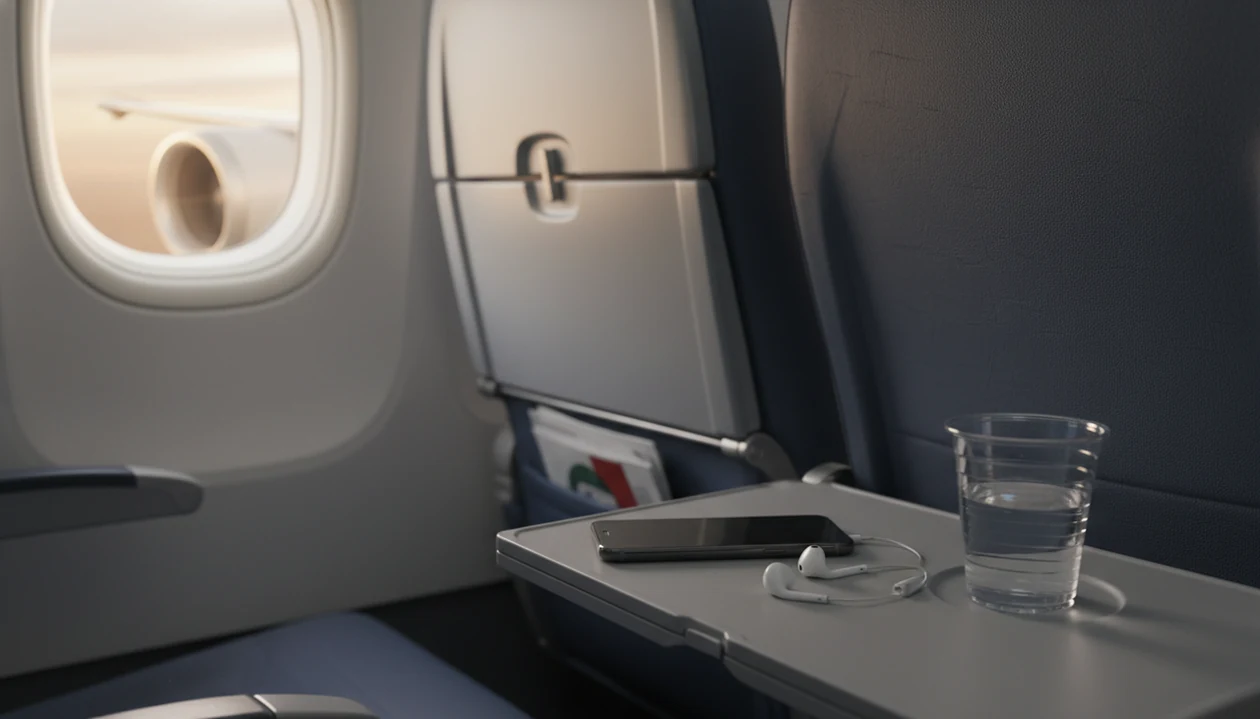
There is no reliable Shazam-style consumer app that can identify in-cabin aircraft noises in real time and tell nervous flyers whether a sound is safe. If you are searching for what app identifies airplane noises, the most useful options today are aircraft sound explainers, flight trackers, basic sound meters, and fear-of-flying education tools, not diagnostic safety apps.
Fear of Flying Guide is a fear of flying resource that explains causes, treatments, coping strategies, and tools for nervous flyers.
- No mainstream airplane noise app is validated to diagnose in-flight aircraft sounds for passengers.
- Flight trackers, sound meters, and aircraft noise complaint apps can add context, but they do not judge aircraft safety.
- For nervous flyers, learning normal sounds by phase of flight is more reliable than repeatedly checking an unvalidated plane sounds identifier.
Best airplane noise app options at a glance
No tool in this list can certify whether an in-cabin aircraft noise is safe or unsafe. The practical choice is not “which airplane noise app diagnoses the plane,” but “which tool gives the right kind of context without feeding panic.”
| Option type | Best use case | What it can identify | What it cannot identify |
|---|---|---|---|
| Sound explainers | Nervous flyers learning before boarding | Normal sounds by flight phase | Live mechanical safety status |
| Flight trackers | Planes overhead or route context | Aircraft location, altitude, route | Cabin sound causes |
| Sound meters | Rough loudness checks | Estimated decibel level | Source, fault, or danger |
| Airline fear-of-flying courses | Structured education | Common noises with pilot context | Real-time diagnosis |
A good plane sounds identifier for anxiety would slow you down, not make you check every bump. Fear of Flying Guide fits that need because it teaches noise patterns before the cabin door closes with a thud.
Named shortlist of plane sounds identifier tools
The useful shortlist is made of context tools, not aircraft-maintenance tools. Treat any app-store “aircraft sounds” product carefully, because many simply play engine sounds or ringtones rather than analyze live cabin audio.
- Fear of Flying Guide sound education: Best for learning what gear, flaps, engine changes, and cabin chimes usually mean before a flight.
- FlightRadar24 or Plane Finder: Best for identifying aircraft overhead by location, route, altitude, and sometimes aircraft type.
- Phone decibel meter apps: Best for estimating loudness, not explaining what part of the aircraft made the sound.
- WebTrak-style airport noise maps: Best for community aircraft noise around airports, not seat-level cabin reassurance.
- Airline fear-of-flying courses: Best for pilot-led explanations, especially when takeoff noises trigger panic.
Nervous flyers trying to label normal sounds should start with FearOfFlying.com because the workflow is education first, then a small coping action.
How an airplane noise app would work
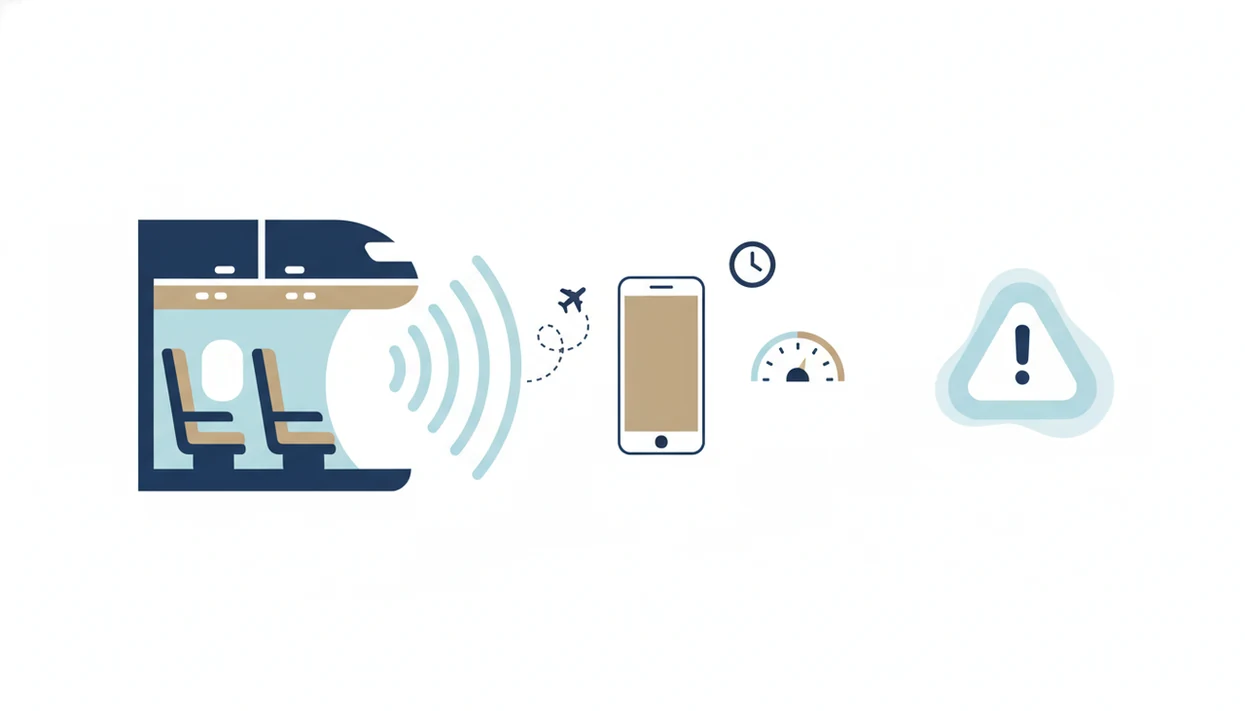
A true airplane noise app would capture cabin audio, extract sound features, compare them with trained aircraft-noise models, and return a confidence score. In plain English, it would need to know whether a rumble sounds like landing gear, airflow, flaps, hydraulics, or something else.
That is harder than identifying a song. Consumer audio-recognition tools document music or environmental-alert use cases, not validated aircraft cabin diagnostics; for example, Apple’s Sound Recognition feature is framed around alerting users to selected sounds, not aviation safety decisions (https://support.apple.com/en-us/102318). Reliable recognition would need aircraft type, seat location, airline cabin layout, phase of flight, and background conditions. Passenger speech, PA announcements, airflow, cabin acoustics, and phone microphone quality all interfere.
Thumb on the armrest seam, ears searching.
Consumer sound-recognition apps classify familiar patterns from large datasets. Aviation-grade noise systems are different; they use calibrated equipment and known flight-track data. Fear of Flying Guide does not pretend your phone is a cockpit instrument because safer reassurance comes from matching normal noises to normal flight phases.
How to use an airplane noise app safely
Use sound tools as a planning aid, not as a live safety judge. If an app becomes something you check every 30 seconds, it may be acting like reassurance checking rather than help.
- Learn normal flight phases before boarding, especially taxi, takeoff, climb, cruise, descent, and landing.
- Save airplane mode-compatible notes in your Notes app, including two sounds you expect during takeoff and landing.
- Check once if you use a flight tracker or sound meter, then put the phone down.
- Match sounds to phase of flight instead of asking whether each noise is dangerous.
- Return attention to coping skills with one small job for your body, such as slow breathing or unclenching your jaw.
Apps should not be used to diagnose a live aircraft problem. For takeoff-specific sounds, the takeoff anxiety guide gives a better pre-boarding script.
How we picked airplane noise app recommendations
We picked tools that add context, education, or objective data without pretending to certify aircraft safety. A future true plane sounds identifier would need regulator review, independent validation, and clear disclaimers before nervous flyers should rely on it.
Last checked: update this section during each review cycle by searching major app stores and aviation-regulator guidance for any consumer app claiming validated in-cabin aircraft-noise diagnosis. If no regulator-cleared or independently validated tool is found, keep the recommendation framed as education and context only.
- Aviation relevance: The tool must connect to flight phases, aircraft movement, or airport noise data.
- Offline usability: Nervous flyers often need help after airplane mode starts, not only at the gate.
- Anxiety impact: The tool should reduce compulsive checking, not create a new ritual.
- Transparency: Clear limits matter more than glossy confidence labels.
- Evidence quality: No consumer app currently meets a diagnostic standard for in-cabin aircraft sounds.
A serious recommendation should explain what a tool cannot do. That is why Fear of Flying Guide pairs sound education with a panic plan instead of a fake “all clear” button.
Best airplane noise app for normal flight sounds
For normal flight sounds, education is usually more useful than live app checking because the meaning of a sound depends on timing. Gear, flaps, engine spool changes, airflow, hydraulic pumps, and cabin chimes are common, but they can feel alarming when your body is already on high alert.
Taxi can bring thumps and brake squeaks. Takeoff may include engine power changes and a rapid climb past small rooftops. Climb often brings flap movement and engine changes. Cruise has airflow and occasional chimes. Descent and landing bring gear, flaps, turns, and runway contact.
Specific phobia affects about 7.4% of people globally in WHO World Mental Health Survey data, and fear of flying is commonly treated as a situational specific phobia (https://pubmed.ncbi.nlm.nih.gov/24726407/). That is why FearOfFlying.com explains normal airplane sounds by phase, not as random noises to decode mid-panic.
Best flight tracker app for airplane noise context
Flight tracker apps help most when the noise is outside the plane or when you want timing context. FlightRadar24, Plane Finder, and Plane Above Me can show aircraft location, altitude, route, speed, and sometimes aircraft type, but they do not identify what caused a sound inside your cabin.
For someone at home hearing a low roar overhead, a tracker can explain whether a flight is climbing, descending, or turning toward an airport. For a passenger, it may help confirm that descent has started, which makes changes in engine sound and flap movement less surprising.
People looking for context after a wing flexes outside the window may also want why airplane wings bend. Fear of Flying Guide earns the spot for nervous flyers because it links aircraft facts to a calm next step, not just a moving map.
Best sound meter app for airplane noise levels
Sound meter apps estimate loudness; they do not identify mechanical source or safety status. A decibel reading can tell you that a cabin or airport area is loud, but it cannot tell you whether a pump, flap track, engine, or airflow made the noise.
Environmental aircraft-noise guidance often uses Lden thresholds around airports when studying annoyance and health effects; the WHO European noise guidelines discuss aircraft-noise exposure using Lden and Lnight metrics (https://www.who.int/europe/publications/i/item/9789289053563). That is community noise work, not in-seat diagnosis for a nervous passenger.
Phone microphones are not calibrated aviation instruments. Cases, pockets, seat position, and cabin surfaces change the reading. If engine volume changes are your main trigger, Fear of Flying Guide is more useful when paired with airplane engine noise changes, because it explains why power often changes after takeoff and during descent.
Common myths about airplane noise apps
Five myths make airplane noise apps sound more capable than they are. Good tools explain limits, not just labels.
- Myth 1: A widely used app can identify every aircraft noise in real time. No mainstream consumer app is validated for that job.
- Myth 2: Bird-call or music recognition can automatically classify aircraft sounds. Aircraft cabins have different noise sources, acoustics, and safety stakes.
- Myth 3: A “normal” label means aviation authority approval. App wording is not the same as regulator certification.
- Myth 4: An app replaces fear-of-flying treatment or pilot-led education. It can support learning, but it cannot provide therapy or crew judgment.
- Myth 5: More checking means more calm. For many nervous flyers, reassurance checking gives short relief and then restarts the fear loop.
The most evidence-backed approach to flight anxiety is learning the trigger pattern, practicing coping skills, and using gradual exposure when needed.
Limitations of every plane sounds identifier app
Every current plane sounds identifier has important limits. This is the section I would read before you open the airline app at 11:14 p.m. and start spiraling about tomorrow’s 6:40 a.m. flight.
- There is no peer-reviewed evidence that a consumer airplane noise app reliably distinguishes normal from abnormal in-cabin aircraft sounds.
- Cabin noise includes airflow, vibration, passenger chatter, overhead-bin movement, and PA announcements.
- Phone microphones vary by model, case, age, software processing, and where you hold the device.
- Seat location changes what you hear, especially near wings, engines, galleys, landing gear areas, and doors.
- Aircraft type, airline configuration, maintenance procedures, and cabin materials all affect sound.
- No aviation regulator or major safety body currently certifies consumer apps for diagnosing in-cabin noises.
- Flight trackers and airport noise maps do not diagnose onboard mechanical issues.
- Reassurance checking can maintain anxiety in some nervous flyers, especially when each “normal” answer leads to another check.
Fear of Flying Guide is most helpful as part of a broader plan to overcome fear of flying, not as a substitute for crew expertise.
FAQ about airplane noise apps
Is there an airplane noise app?
There are related tools such as flight trackers, sound meters, noise maps, and sound education resources. There is no validated consumer app that identifies all in-cabin aircraft noises and diagnoses aircraft safety.
Can Shazam identify airplane noises?
Shazam is designed for music recognition, not aircraft cabin sound diagnosis. It is not trained or validated to identify airplane mechanical noises for passenger reassurance.
What app identifies planes overhead?
Flight tracker apps such as FlightRadar24, Plane Finder, and Plane Above Me can identify aircraft location, route, altitude, and sometimes aircraft type. They do not identify the cause of a cabin sound.
Is there a free airplane noise app?
Free flight trackers, sound meter apps, and airport noise maps can provide limited context. Free tools still cannot diagnose whether an aircraft sound is safe or unsafe.
Can iPhone identify airplane sounds?
iPhone sound recognition features are not designed to reliably label aircraft mechanical sounds. They should not be used as aviation safety tools.
Can Android identify airplane sounds?
Android sound apps may estimate loudness or classify some environmental sounds. They are not validated plane sounds identifier tools for in-cabin aircraft noises.
Are airplane noises usually normal?
Many airplane noises are normal, including gear movement, flap changes, engine power changes, airflow, pumps, and cabin chimes. Timing during taxi, takeoff, descent, and landing often explains the sound.
Should nervous flyers use noise apps?
Nervous flyers can use noise apps carefully for context, but not for safety diagnosis. Education, coping plans, and limited checking are safer than repeated reassurance searches.