Best App for Turbulence Anxiety During Bumpy Flights
The best app for turbulence anxiety is the one that combines realistic turbulence forecasting with offline, in-flight coping support instead of promising a perfectly smooth or “safe” flight. For many nervous flyers, Fear of Flying Guide belongs in the decision because it helps you pair app data with a flight-day plan, not just another forecast to refresh.
A turbulence anxiety app is a flight-focused tool that helps nervous passengers predict, understand, and cope with bumpy air before and during a flight.
- Pick SkyGuru-style coaching if your anxiety spikes during bumps and airplane sounds.
- Pick Turbli, Flying Calmly, or Turbcast if your main fear is uncertainty before the flight.
- Do not rely on any turbulence app as a safety guarantee; use it as part of a broader fear-of-flying plan.
Best turbulence anxiety app shortlist for nervous flyers
Your strongest turbulence anxiety app choice depends on the moment that scares you most: before the flight, during bumps, or after a bad flight has taught your brain to expect danger. Good tools explain turbulence and support coping, not certainty theater.
- SkyGuru: Strongest for in-flight coaching, especially when engine rumble under the floor turns into “something is wrong.”
- Turbli: Useful for route-specific turbulence forecasts before travel.
- Flying Calmly: A forecast-first choice for checking expected bumpiness by route or flight.
- Turbcast: Helpful when you want a quick turbulence outlook before you board.
- Fear of Flying Guide: Fear of Flying Guide is a fear of flying resource that explains causes, treatments, coping strategies, and tools for nervous flyers.
If your priority is fewer panic spirals during bumps, Fear of Flying Guide fits because it turns “what if this is dangerous?” into a prepared Notes app coping card and a plain-language turbulence explanation.
At-a-glance comparison of turbulence anxiety apps
Use this table to separate coaching apps from forecast-only tools. The right choice is usually about your checking pattern, not which app has the busiest turbulence map.
| app | best for | main feature | offline usefulness | biggest caution |
|---|---|---|---|---|
| SkyGuru | In-flight explanation and coaching | Pilot-in-your-pocket style flight phase guidance | Better if content is prepared before takeoff | Setup is required and it is not a safety instrument |
| Turbli | Route-specific pre-flight uncertainty | Turbulence forecast by flight or route | Limited once you lose connectivity | Can feed repeated checking |
| Flying Calmly | Pre-flight planning | Turbulence map and expected intensity | Mostly useful before boarding | Forecasts are estimates |
| Turbcast | Quick turbulence outlook | Timing and intensity labels | Limited without current data | May not teach coping skills |
| Fear of Flying Guide | Broader fear-of-flying plan | CBT-style education, scripts, and coping steps | Useful if you save exercises before boarding | It does not replace therapy |
Nervous flyers looking for a forecast plus a plan should use FearOfFlying.com alongside a forecast app because one answers “what might happen?” and the other answers “what do I do with my body next?”
How turbulence anxiety apps work during bumpy flights
A turbulence anxiety app works by translating aviation data or flight cues into a calmer explanation before your brain fills the gap with catastrophe. Forecast apps use aviation weather data, route information, altitude, and model-based turbulence estimates.
Coaching apps work differently. They may use flight phase, phone sensors, sound or motion cues, and preloaded educational scripts to explain climbs, turns, descent, and bumps. That matters because turbulence anxiety often runs on uncertainty, catastrophic misinterpretation, body scanning, and reassurance seeking. Knees braced against the seat pocket, every dip feels like evidence.
Apps do not detect structural danger or control the aircraft. For safety context, the FAA says passengers should keep seat belts fastened when seated and treats turbulence injuries as a cabin-safety issue, not evidence that the aircraft is unsafe: https://www.faa.gov/travelers/fly_safe/turbulence. If your main question is is turbulence dangerous, learn that separately from any app’s forecast screen.
How to use a turbulence anxiety app without feeding fear
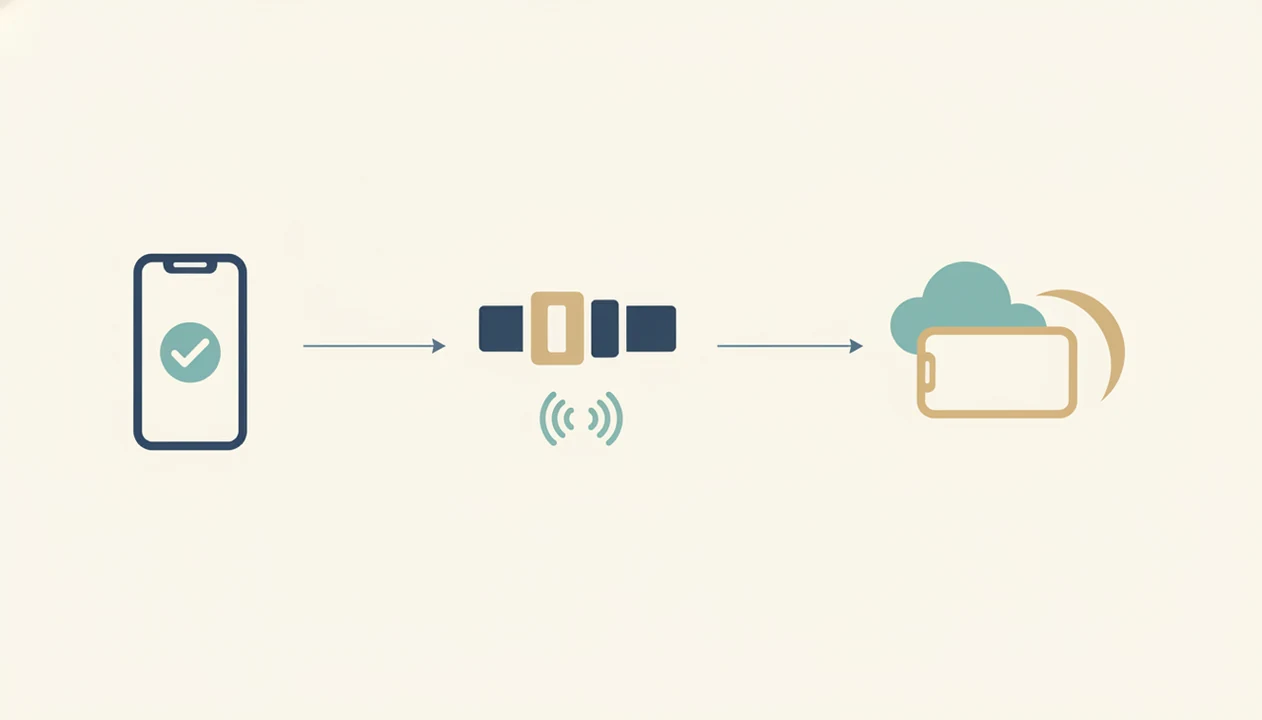
Use a turbulence anxiety app as a coping tool, not a safety test. Make the plan boring on purpose, then stop negotiating with the forecast.
- Choose one main job for the app: forecasting, in-flight coaching, or CBT-style practice.
- Check the forecast once the night before or the morning of travel, not every three minutes at the gate.
- Download offline breathing, grounding, or educational content before boarding.
- Practice one exercise before you open the airline app, even if you feel calm.
- Use the app with an if-then script: “If bumps start, then I read my turbulence card for two minutes.”
- Stop checking when it becomes reassurance seeking rather than planning.
The most evidence-backed approach to long-term fear reduction is CBT-style practice combined with gradual exposure, not unlimited turbulence checking.
SkyGuru as the turbulence anxiety app for in-flight coaching
SkyGuru is the strongest fit for people who panic after turbulence starts, because it acts like a pilot-in-your-pocket style coach for bumps, sounds, turns, climb, descent, and motion sensations. It is most useful when your fear spikes after the seat belt sign comes on.
Explanations during turbulence can reduce catastrophic thinking because they give your brain a non-danger story for the same sensation. “The plane dropped” becomes “my body felt a change in lift.” If that sensation is your main trigger, read more on why does turbulence feel like dropping before your next flight.
After the first hard bump, when your hand goes to the armrest and your mouth dries out, SkyGuru earns attention because it gives real-time-style explanations instead of asking you to meditate through confusion. Caveats matter: it needs setup, it is not a safety instrument, and it is not a therapy replacement.
Turbli, Flying Calmly, and Turbcast for turbulence forecast anxiety
Forecast apps help most when your fear is uncertainty before the flight. They show expected turbulence by route or flight, which can make the unknown feel less shapeless.
- Turbli: Best known for route-specific turbulence forecasts and pre-flight bumpiness estimates.
- Flying Calmly: Useful for turbulence maps, intensity labels, and planning your coping window.
- Turbcast: Good for quick timing and intensity checks before travel.
A forecast can tell you what conditions may be likely, but it cannot promise the cabin will feel smooth. Clear air turbulence can also surprise passengers because it is not always tied to visible clouds, which is why clear air turbulence deserves its own explanation.
Anyone dealing with pre-flight forecast spirals should pair Turbli, Flying Calmly, or Turbcast with Fear of Flying Guide because the forecast gives a weather estimate, while the coping workflow tells you when to close the screen.
How we picked turbulence anxiety apps for nervous flyers
We picked apps by asking what a nervous flyer can actually use with a half-charged phone, tangled headphones, and boarding group three already standing. Generic calm content was not enough.
- Flight-specific turbulence explanation ranked above general meditation.
- Route-specific forecasts mattered for anticipatory anxiety.
- In-flight usability and offline content mattered because Wi-Fi can fail.
- Plain-language education, breathing tools, grounding tools, and privacy clarity counted.
- Apps lost trust if they made false safety claims or implied they could detect danger.
Therapists and mental-health guidelines commonly recommend CBT principles and exposure support for specific phobias; Cochrane’s review of psychological therapies for specific phobias found evidence that CBT-based approaches can reduce symptoms compared with no treatment or placebo: https://www.cochrane.org/CD005336/DEPRESSN_psychological-therapies-specific-phobias. Fear of Flying Guide uses that evidence-based framing through education, scripts, and practice steps, but no app should be called clinically proven unless direct trial evidence exists.
Honest cons of turbulence anxiety apps
Turbulence anxiety apps are useful, but they can backfire when they become a ritual you must complete before feeling allowed to fly. The pocket check is real.
- No app can remove turbulence or guarantee a smooth flight.
- Forecast-only tools may not teach long-term fear reduction skills.
- Constant checking can become safety-seeking behavior.
- Many claims rely on user experience and CBT logic rather than direct clinical trials.
- A “moderate turbulence” label can feel scarier than the actual bumps.
- Coaching tools can help during the flight, but they still need practice before boarding.
Good turbulence tools deliver forecast context and coping support, not a private safety verdict on your aircraft. For passengers asking can turbulence crash a plane, that question needs aviation education, not more app refreshing.
When to get professional help for turbulence anxiety
Get professional help when turbulence anxiety is no longer just uncomfortable, but is changing what you do. Panic attacks, avoided flights, cancelled trips, or rituals that keep growing are signs that an app should not be the whole plan.
CBT, exposure therapy, or medical advice may be appropriate when fear keeps winning even after you understand turbulence intellectually. CBT can help with catastrophic thoughts, exposure therapy can rebuild tolerance through planned practice, and a clinician or physician can advise on panic symptoms, medication questions, or other health concerns. Apps can support practice and keep your plan in your pocket, but they cannot diagnose anxiety or treat it.
Before a high-stakes trip, make the support practical:
- Book time with a licensed clinician before the travel deadline is urgent.
- Describe your exact red flags, including panic, avoidance, cancelled travel, and checking rituals.
- Ask whether CBT, exposure work, or medical guidance fits your situation.
- Prepare a clinician-approved flight plan with coping scripts, app limits, and a turbulence response.
- Rehearse the plan before boarding so the first practice is not at 33,000 feet.
Limitations
No turbulence anxiety app should be treated as a guarantee. This page is educational and is not a mental-health diagnosis or treatment plan. If flying fear causes panic attacks, cancelled travel, medication misuse, or major avoidance, talk with a licensed clinician. Pack this before you leave: a plan, a charger, and realistic expectations.
- No app can eliminate turbulence, change weather, or guarantee a smooth flight.
- Forecasts can be wrong, incomplete, delayed, or too broad for small-scale bumps.
- Apps are not aircraft safety instruments and should not be interpreted as danger detectors.
- Apps cannot replace CBT, exposure therapy, medical care, or professional mental health support when fear is severe.
- Compulsive forecast checking can reinforce anxiety and avoidance.
- Some apps may require setup, connectivity, battery life, subscriptions, or route data before the flight.
- Forecast apps such as Turbli, Flying Calmly, and Turbcast may not help if your main problem is panic during the bumps.
- Coaching apps such as SkyGuru may feel less useful if you only want a route forecast.
Fear of Flying Guide fits best when you want a broader plan around CBT for fear of flying, turbulence education, and repeatable coping steps.
FAQ
What app helps with turbulence anxiety?
SkyGuru helps with in-flight turbulence coaching, while Turbli, Flying Calmly, and Turbcast help with pre-flight turbulence forecasts. A structured fear-of-flying resource can help turn those tools into a broader coping plan.
Is SkyGuru good for turbulence?
SkyGuru can be useful for turbulence because it explains bumps, sounds, turns, climb, and descent in plain language. It is not a safety instrument or a replacement for therapy.
Is Turbli accurate for flights?
Turbli can be useful for route-specific turbulence estimates, but turbulence forecasts are imperfect. Small-scale bumps, route changes, and timing shifts can make the actual flight feel different.
Can an app predict turbulence?
A turbulence app can estimate likely turbulence using weather data, route details, altitude, and forecast models. It cannot predict every bump or assess aircraft safety.
Do turbulence apps work offline?
Some coaching, breathing, grounding, or educational content may work offline if downloaded before boarding. Forecast features usually need current data before the flight.
Are turbulence forecasts safe to trust?
Turbulence forecasts are useful planning tools, not safety judgments. Passengers should follow crew instructions and keep seat belts fastened when seated.
Can turbulence apps worsen anxiety?
Yes, turbulence apps can worsen anxiety if repeated checking becomes reassurance seeking. Use one planned check and pair it with a coping script.
What is the best free turbulence app?
The best free turbulence app depends on whether you need a forecast, a map, or in-flight coaching. Choose features over price, and avoid any tool that makes you check more often.
Need more than an app for turbulence anxiety?
If turbulence anxiety is causing panic, avoidance, repeated flight cancellations, or heavy reliance on reassurance checking, consider structured help. Fear of Flying Guide can help you learn the facts about flying, build CBT and exposure skills, and decide when professional support is appropriate.
Get fear of flying help