
Fear Of Flying Before And After: What Real Change Can Look Like
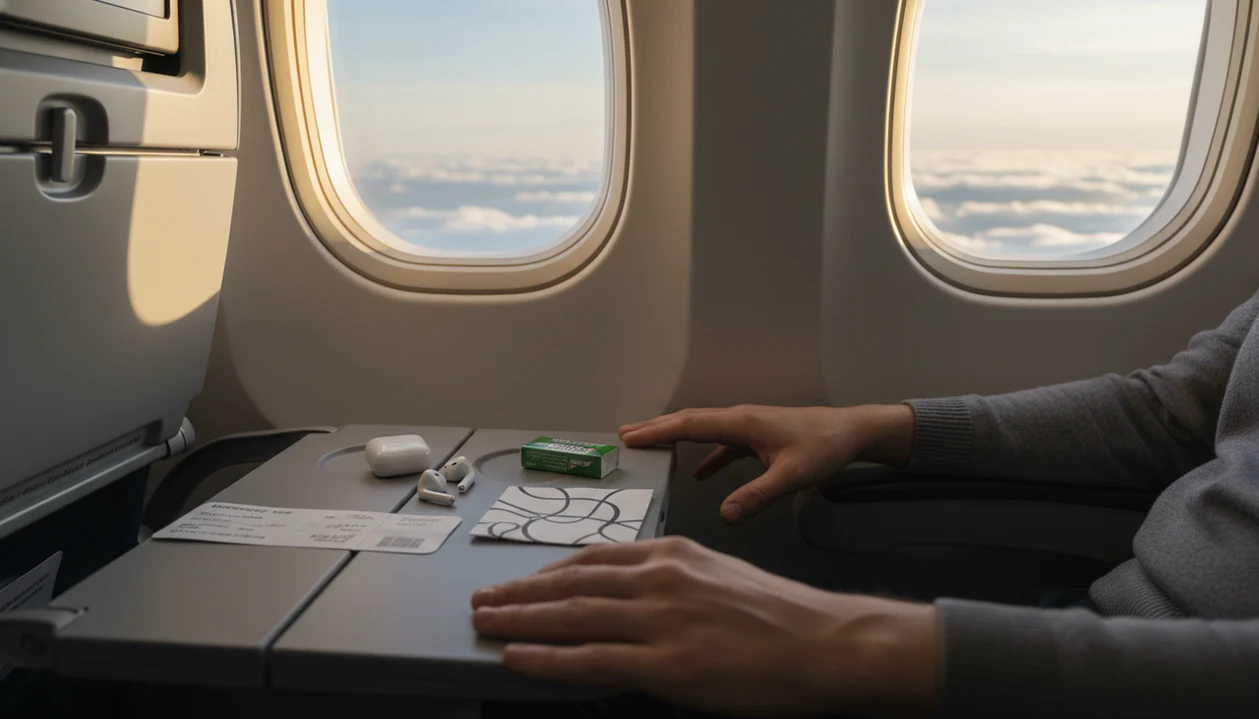
Fear of flying before and after usually means a shift from avoidance, panic, and constant checking to being able to fly with preparation, coping tools, and some remaining nerves. The realistic goal is often improved function, not a guaranteed cure.
> Definition: Fear of flying, also called aviophobia or flight anxiety, is intense fear, panic, or dread connected to thinking about flying, preparing for a flight, or being on an aircraft.
TL;DR
- The most realistic “after” is often “still anxious, but able to fly,” not “never scared again.”
- CBT, exposure therapy, aviation education, breathing skills, and careful planning can reduce avoidance and panic over time.
- Setbacks are normal, especially after long gaps between flights, stressful life events, turbulence, or distressing aviation news.
Fear of flying before and after patterns at a glance
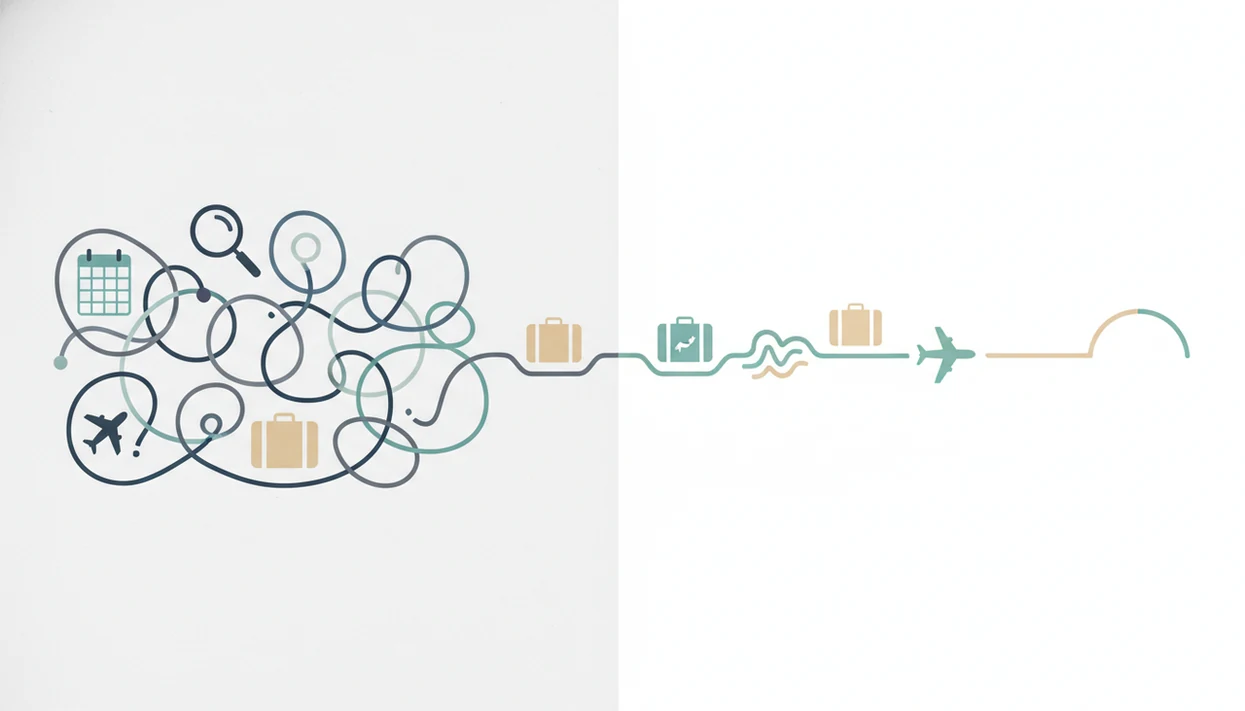
Fear of flying before and after patterns usually show changes in behavior first, then changes in fear. Before help, people may cancel trips, cry before boarding, research crash stories, check seats repeatedly, or ask family for reassurance until everyone is exhausted.
After improvement, the same person might still dislike takeoff, but they board with a plan. They use gum, a saved breathing cue, and one trusted explanation instead of ten browser tabs. That counts.
Aviophobia before after changes are often partial and uneven. A short work flight may feel possible before a long-haul family trip does. In the National Comorbidity Survey Replication, a 2006 U.S. analysis reported lifetime prevalence of specific phobia subtypes, including 2.5% for flying phobia (https://pubmed.ncbi.nlm.nih.gov/17134303/), so this is not a rare or silly fear. For many nervous flyers, the “after” is being able to take important flights with anxiety present.
How aviophobia before after change works in the brain and body
Aviophobia improves when the brain gets repeated, believable evidence that flying can be tolerated without escape. Avoidance gives quick relief, but it also teaches the threat system that flying must still be dangerous.
The body can make this feel urgent. Sweating, nausea, trembling, a racing heart, and the need to get off the plane are common panic sensations. Knees braced against the seat pocket during a bump can feel like proof that something is wrong. It usually isn’t proof. It is an alarm system firing.
CBT, exposure therapy, and accurate aviation information work by updating threat predictions. The plane moves, the engines change pitch, your body reacts, and you practice staying with it. Clinical guidance for specific phobias commonly centers on exposure-based CBT because repeated avoidance maintains the fear cycle; the NHS describes CBT and graded exposure as standard psychological treatments for phobias (https://www.nhs.uk/mental-health/conditions/phobias/treatment/). Symptoms can become less frightening before they fully fade.
How to track fear of flying before and after results
Track flight anxiety results by measuring both feelings and behaviors across several flights, not by judging one trip as a pass or fail. Use the Notes app before you open the airline app, especially if you’re already refreshing a 6:40 a.m. boarding time.
- Rate anticipatory anxiety from 0 to 10 when booking, the night before, and on the morning of travel.
- Rate airport anxiety at check-in, security, the gate, and boarding group call.
- Rate takeoff, cruise, turbulence, and landing anxiety separately, because each stage may change at a different pace.
- Log behaviors such as canceling, alcohol use, reassurance-seeking, safety checking, medication reliance, and willingness to book again.
- Review patterns after three or more flights, not after one rough takeoff.
For tracking over months, the broader fear of flying recovery timeline can help you separate a setback from a long-term pattern.
Method used for realistic flight anxiety results
These before-and-after examples are composite vignettes, not guaranteed personal outcomes. They combine common patterns seen in fear of flying education, CBT research, exposure practice, and nervous flyer reports.
- Avoidance: Did the person cancel, delay, or refuse trips before, and can they now take some flights?
- Panic intensity: Are symptoms like racing heart, nausea, and trembling less terrifying or shorter-lived?
- Anticipatory worry: Does dread still take over the whole week, or mostly appear near travel time?
- Checking: Has crash research, weather refreshing, or aircraft-type searching reduced?
- Coping and recovery: Can the person use tools during the flight and settle faster after landing?
CBT and virtual reality exposure studies have found improved fear-of-flying outcomes, including better willingness or ability to fly after treatment; for example, randomized research on virtual reality exposure for fear of flying found clinically meaningful reductions compared with control conditions (https://pubmed.ncbi.nlm.nih.gov/10491001/). The most common medically supported way to reduce phobic avoidance is exposure-based practice combined with cognitive skills.
How to use fear of flying before-and-after examples
Use fear of flying before-and-after examples as a planning aid, not as a scoreboard. The best comparison is the one that helps you choose your next workable step, even if your anxiety still comes along.
- Choose the example that most resembles your current pattern: canceling trips, panicking at boarding, checking weather all day, or only struggling with longer flights.
- Write one functional goal that can be seen from the outside, such as booking the ticket, reaching the gate, boarding, staying seated through takeoff, or agreeing to fly again.
- Pick two coping tools to practice before travel day, such as longer exhales, a coping card, limited checking windows, or a simple seat routine.
- Plan one realistic exposure before the harder flight, like visiting the airport, watching takeoff videos in a structured way, or taking a shorter route first.
- Compare your results across several flights and stages of travel, not one anxious minute when the engines changed pitch or the seatbelt sign came on.
Aviophobia before after story: from canceled trips to short flights
Maya is a composite example of someone who moved from total avoidance to limited flying. Before treatment, she canceled holidays, avoided work travel, panicked when booking, searched crash stories, and needed her partner to promise the flight would be safe.
Her first goal was not “love flying.” It was “book and stay booked.” She used CBT, gradual airport exposure, turbulence education, breathing practice, and cognitive restructuring. She visited the terminal once without flying. Later, she watched takeoff videos with a therapist instead of alone at midnight.
After several months, Maya took occasional short flights. She still felt nervous during takeoff, especially during the rapid climb past small rooftops, but she no longer canceled automatically. For total avoiders, a short planned flight is often more useful than waiting to feel calm enough for a long one.
Flight anxiety results story: from panic attacks to coping tools
Daniel is a composite example focused on panic symptoms. Before getting help, he felt a racing heart, sweating, nausea, fear of losing control, and a strong urge to leave the plane before the door closed.
His plan had boring parts on purpose. Panic education taught him that symptoms are uncomfortable, not dangerous. Interoceptive exposure helped him practice body sensations like breathlessness and dizziness. He made a seat plan, used breathing exercises, and carried a pre-written coping card in his jacket pocket.
The card said: “This is anxiety. Stay seated. Feet down. Exhale longer than you inhale. Text after landing.” Simple. Not poetic.
After practice, Daniel still felt symptoms, but he labeled them as anxiety instead of danger. He stayed in his seat and recovered faster after landing, including that shaky laugh on the jet bridge.
Fear of flying before and after story: from constant checking to flexible planning
Priya is a composite example of reassurance-seeking that looked like “being prepared.” Before change, she checked the weather before breakfast, aircraft type, turbulence apps, pilot forums, and aviation news again and again. Her passport pouch sat on the kitchen counter, but her mind was already on worst-case scenarios.
Her intervention was not zero planning. It was limited planning. She used one trusted safety explanation, set two checking windows, and practiced uncertainty tolerance. A good fear of flying resource covering causes, treatments, coping strategies, and tools should give nervous flyers a flight-day plan, not endless facts to compulsively refresh.
After practice, Priya checked essential travel details only. She avoided crash videos before flying and accepted ordinary uncertainty. Tools like Fear of Flying Guide, SOAR, and Fly Confident can support this shift when they reduce spiraling instead of feeding it. For step-by-step preparation, fear of flying help is a better target than another turbulence forum.
Common fear of flying before and after patterns
Common fear of flying before and after patterns show progress in function, not just mood. Improvement may look different on short-haul, long-haul, solo, family, and work flights.
- Total avoidance to occasional flying: The person stops canceling every trip and starts with selected, realistic flights.
- Panic symptoms to tolerable anxiety: The body still reacts, but the person stays seated and uses practiced tools.
- Compulsive checking to structured preparation: Weather, aircraft, and safety checks move into planned windows.
- Perfect conditions to ordinary uncertainty: The flyer can handle some turbulence, delays, and unfamiliar aircraft.
- Shame and secrecy to practical support: The person tells a partner, colleague, or crew member what helps.
For some families, progress also means explaining fear without transferring it to children. That is covered more directly in fear of flying for parents.
What fear of flying before and after examples do not prove
Fear of flying before and after examples do not prove that one method works for everyone. They show possible patterns, not a promise that your next flight will match someone else’s recovery.
Stories can hide important details. A person may have used medication, weekly therapy, a supportive partner, or years of practice. They may still avoid red-eye flights, solo flights, or routes over water. Long-term durability also needs follow-up, not just one brave Instagram post from the airport lounge.
Before-and-after examples should not replace diagnosis or treatment advice for severe phobia, panic disorder, trauma, or medical concerns. If your fear started after a frightening flight, the next step may be more specific than general reassurance. The guide on fear of flying after bad turbulence fits that situation better.
Limitations
Flight anxiety improvement is real for many people, but it has limits. Use these examples for pattern recognition, not exact prediction.
This page is educational and cannot diagnose panic disorder, PTSD, medical anxiety, or medication suitability. If flying fear causes severe impairment, fainting-like symptoms, substance reliance, or trauma flashbacks, use this as preparation for a licensed clinician conversation rather than as a stand-alone treatment plan.
- Some people improve but still avoid long-haul flights, solo flights, or flights during stressful life periods.
- Some anxiety may remain after CBT, exposure therapy, courses, or medication-supported flights.
- Short-term medication can reduce acute anxiety, but it does not teach the brain that flying is safe by itself.
- Aviation news, turbulence, panic attacks, grief, pregnancy, health scares, or long gaps between flights can trigger setbacks.
- Digital tools, apps, and modern VR programs may have less long-term evidence than clinician-guided CBT and exposure.
- Composite stories cannot predict your exact outcome, especially if trauma, medical fears, or panic disorder are involved.
- FearOfFlying.com can be a useful nervous flyer guide, but severe symptoms deserve professional assessment.
Setbacks are data. Annoying data, but still data.
Read more
FAQ
Can fear of flying go away completely?
Some people recover substantially and rarely think about flying anxiety again. Many others reach a more realistic “after,” where they still feel nerves but can book, board, cope, and recover.
What does progress with fear of flying look like?
Progress can mean booking the flight, reaching the gate, staying on the plane, using coping tools during takeoff, and recovering faster after landing. It does not require feeling calm the whole time.
How long does fear of flying improvement take?
Timelines vary from intensive treatment over a few sessions to multi-week practice across several flights. Long gaps between flights can slow progress.
Can CBT help aviophobia?
Yes, CBT can help aviophobia by reducing avoidance, challenging catastrophic predictions, and teaching coping behaviors. Studies of CBT for fear of flying show improved ability to take flights for many treated participants.
Does exposure therapy work for fear of flying?
Exposure therapy can reduce fear by helping the brain relearn that flight-related sensations and situations are tolerable. It may use gradual imaginal exposure, airport practice, virtual reality, or real flights.
Is medication enough for flight anxiety?
Medication may reduce acute distress for some flyers, but it usually does not cure the phobia alone. Skills practice and exposure are often needed for lasting change.
Why did my fear of flying return after I improved?
Fear can return after stress, long gaps between flights, scary aviation news, turbulence, health scares, or major life changes. A relapse does not erase previous progress.
Am I alone in having a fear of flying?
No, fear of flying is a recognized specific phobia and a common situational fear. A 2006 U.S. survey found that 2.5% of adults reported a fear of flying specific phobia.