
Find Normal Flight Sensations Before They Scare You
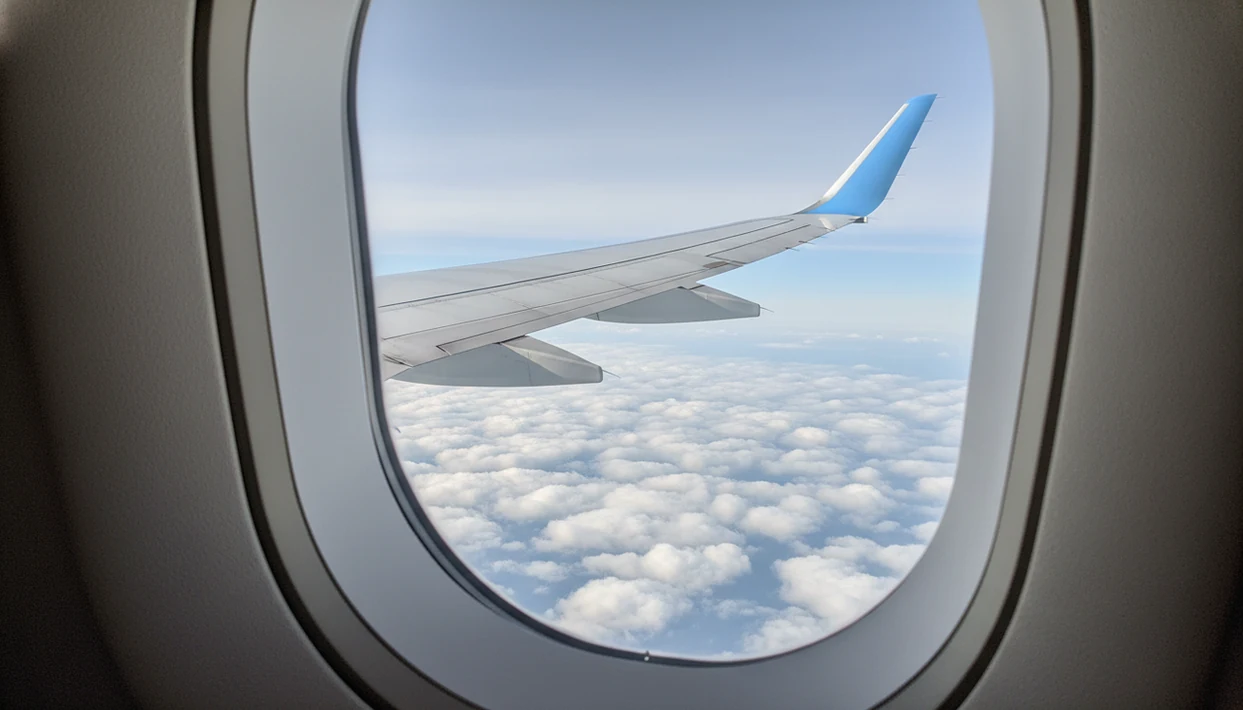
To find normal flight sensations, match what you feel or hear to the phase of flight: taxi, takeoff, climb, cruise, descent, or landing. Most bumps, stomach drops, pressure changes, vibration, banking, engine tone changes, and landing noises are routine airplane sensations, not signs that something is wrong.
> Definition: Normal airplane sensations are the routine motions, sounds, pressure changes, and body feelings passengers notice during ordinary aircraft operation.
- The same sensation can feel alarming in your body while still being normal for the airplane.
- Takeoff, climb, cruise, descent, and landing each have predictable sounds and motion cues.
- Use crew instructions, smoke, strong burning smells, visible damage, or severe medical symptoms, not fear alone, as escalation signals.
Normal airplane sensations at a glance
Normal airplane sensations are easier to handle when you identify the phase of flight first. Normal does not always mean comfortable, especially if your body is already braced for danger.
| Sensation | Likely phase | Plain-English meaning |
|---|---|---|
| Banking or tilting | Climb, cruise, descent, approach | The aircraft is turning, following routing, or lining up with the runway. |
| Stomach drop | Takeoff, climb, turbulence, descent | Your body is sensing acceleration, air movement, or a power change. |
| Turbulence bumps | Climb, cruise, descent | The plane is moving through uneven air. |
| Vibration | Taxi, takeoff, cruise, landing | Pavement, airflow, engines, wheels, or flaps may be creating vibration. |
| Ear pressure | Climb, descent | Cabin pressure is changing. |
| Engine tone changes | Taxi through landing | Pilots are adjusting power for the phase of flight. |
| Gear or flap noises | Takeoff, descent, landing | Mechanical systems are extending or retracting. |
| Nose-down pitch | Descent | The aircraft is reducing altitude in a controlled way. |
Seat location, aircraft size, weather, and passenger sensitivity change how these feel. A rear seat can make turns feel stronger. A half-charged phone in your hand can shake during taxi and make the vibration feel worse than it is.
How normal flight sensations work in your body
Normal flight sensations often feel dramatic because the inner ear senses motion without giving you a full visual picture of what the aircraft is doing. Your vestibular system can misread acceleration, deceleration, banking, climb, and descent. The FAA describes spatial disorientation as a mismatch between sensory cues and aircraft attitude, especially when visual references are limited source.
That body report is not the same thing as the airplane’s actual flight path. In clouds, your eyes may see a still cabin while your inner ear says, “we are dropping.” During a power reduction, your stomach may dip even though the aircraft is simply changing speed or pitch.
The wing, horizon, and cabin can each tell a different story. Looking at a fixed tray table may make movement feel stranger. Looking outside can help some people, but wing flex or cloud movement can unsettle others. If the wing flexing outside the window catches your eye, remember that visible movement is not the same as damage. The pocket check is real: boarding pass, gum, headphones, then body scan.
For anxious flyers, naming the body signal is often easier than arguing with it because the sensation can be real even when the danger interpretation is wrong.
Five flight sensations explained for nervous flyers
These five flight sensations are often mistaken for danger, but each can happen during ordinary flying. Use them as quick labels, not as a reason to keep checking every sound.
- Bumps and vibration are common in ordinary flying. Airflow, clouds, runway surfaces, wheels, flaps, and engines can all create movement you feel through the seat.
- Engine sound changes usually mean normal power adjustments. Pilots change thrust for taxi, takeoff, climb, cruise, descent, and landing; the full pattern is covered in airplane engine noise changes.
- Cabin pressure changes can make ears pop. This is most noticeable during climb and descent, when the cabin pressure system is adjusting; MedlinePlus describes airplane ear as pressure-related discomfort during altitude changes source.
- Banking is planned aircraft movement. Planes turn by banking, including during route changes and approach alignment.
- Brief sinking feelings are often acceleration cues. A small stomach drop can come from air movement, leveling, descent setup, or power changes rather than free fall.
Before you open the airline app for the fifth time, write one label in your Notes app: “engine change, climb phase, expected.”
Normal flight sensations by phase of flight
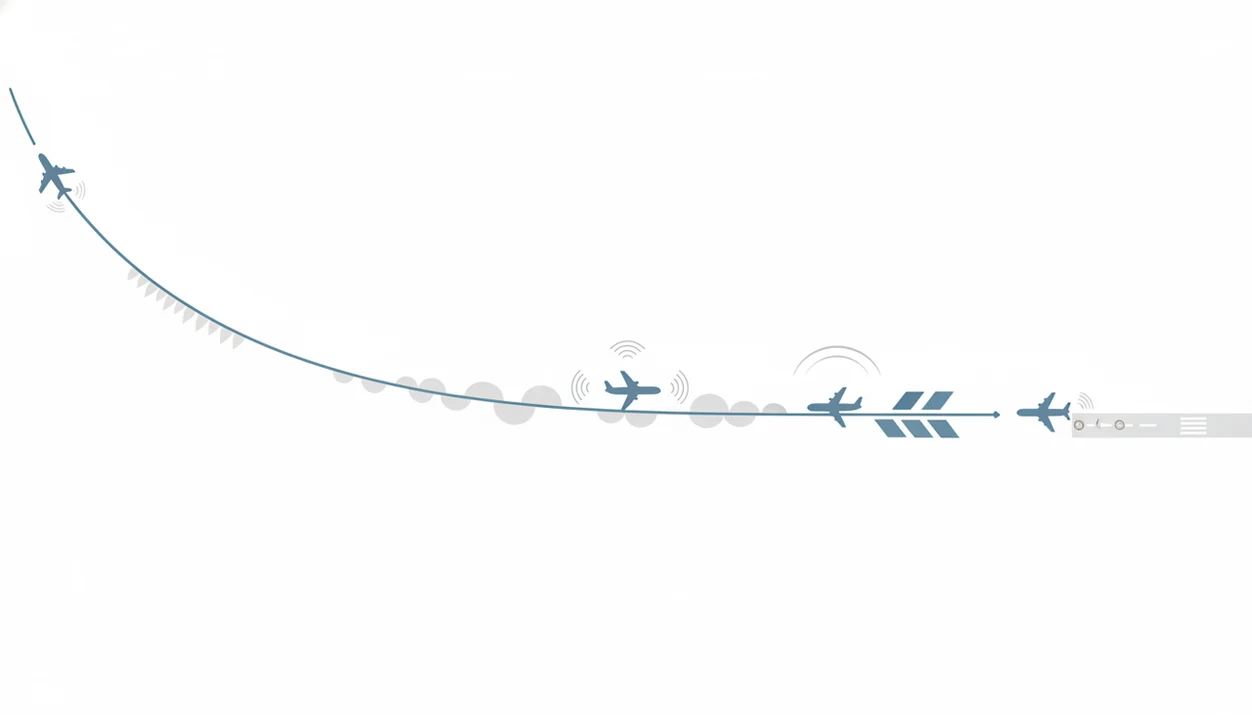
Normal flight sensations make more sense when you place them on the flight timeline. The same thump can feel scary in isolation, but ordinary when you realize the landing gear has just moved.
Taxi, takeoff, and climb sensations
| Phase | Common sensations | What they usually mean |
|---|---|---|
| Taxi | Brake sounds, turns, pavement bumps, engine start, chimes | The aircraft is moving on the ground and preparing for departure. |
| Takeoff | Acceleration, runway vibration, rotation, gear retraction, steep-feeling climb | The aircraft is gaining speed, lifting off, and cleaning up after departure. |
| Climb | Engine tone changes, pressure shifts, cloud bumps, leveling sensations | The aircraft is climbing, adjusting power, and moving through air layers. |
Acceleration can feel intense because runway texture, engine spool, and rotation arrive close together. If takeoff is your hardest part, the phase-by-phase guide to takeoff anxiety can help you prepare a short script.
Cruise, descent, and landing sensations
| Phase | Common sensations | What they usually mean |
|---|---|---|
| Cruise | Turbulence, minor altitude adjustments, vibration, turns | The aircraft is following its route and adjusting to air traffic or weather. |
| Descent | Engine quieting, sinking feelings, ear pressure, speed changes | The aircraft is reducing altitude and preparing for approach. |
| Landing | Flaps, landing gear, bumps, reverse thrust, braking | The aircraft is configured for landing, touching down, then slowing. |
Normal airplane sensations checklist steps
Use this as your how-to routine for checking a normal flight sensation without getting trapped in reassurance-seeking. Run the steps once, then return to your flight-day plan. Rechecking the same sensation every minute can become reassurance-seeking, which often keeps anxiety active.
- Identify the phase first. Say, “We are taxiing,” “We are climbing,” or “We are descending.”
- Name the sensation neutrally. Use words like vibration, pressure, banking, engine change, bump, or sinking feeling.
- Match it to the checklist. Compare the sensation with the phase instead of judging it from panic alone.
- Choose one small job for your body. Breathe out slowly, press your feet down, sip water, or unclench your jaw.
- Return to a planned activity. Start the downloaded playlist, open a puzzle, or read the next page, even if fear is still present.
Tools like Fear of Flying Guide can help you build this into a pre-flight card, but the key is making the plan boring on purpose.
Turbulence sensations explained with safety context
Does turbulence mean the plane is in danger? Usually, turbulence means the aircraft is moving through irregular air, which can cause bumps, drops, jolts, rocking, or vibration.
Turbulence can be uncomfortable and can increase pilot workload. The FAA Airplane Flying Handbook identifies turbulence as one condition that can challenge flight stability and workload in flight training contexts source. A 2018 FAA-linked analysis reported 65 turbulence-related accidents in its reviewed period, and found that 0.003% of turbulence encounters resulted in serious injuries source.
That does not make turbulence pleasant. It means the practical passenger action is simple: keep your seatbelt fastened when seated, even if the sign is off. A shoulder strap tug during a bump can feel like proof that something is wrong. It is more often proof that the belt is doing its job.
Discomfort and fear are real. They are not the same as aircraft danger.
Commercial jet versus small-plane flight sensations
Commercial jets and small planes can both be safe, but they do not feel the same. Smaller aircraft may respond more noticeably to wind, thermals, turns, and pilot inputs.
| Aircraft type | What may feel different | Helpful interpretation |
|---|---|---|
| Large commercial jet | Smoother ride overall, but still vibration, banking, turbulence, and pressure changes | Size can dampen some motion, not remove it. |
| Regional jet | More noticeable engine noise or cabin movement than a larger jet | Sensation intensity does not automatically mean lower safety. |
| Turboprop | Propeller noise, vibration, and power changes may be more obvious | Different engine style changes the sound and feel. |
| Small training aircraft | More responsive turns, bumps, and thermal movement | Lighter aircraft transmit more motion to passengers. |
Engine location and seat location matter too. Sitting near the rear, over the wing, or close to a propeller changes what you hear and feel. Reset the plan. Compare the sensation to that aircraft type, not to your memory of a wide-body long-haul jet.
Normal discomfort versus warning signs in flight sensations
Passengers should not diagnose aircraft problems from sensations alone. Use crew instructions and clear warning signs, not fear by itself, to decide when to ask for help.
| Category | Examples | What to do |
|---|---|---|
| Normal discomfort | Ear pressure, nausea, anxiety, sweating from panic, bumps, engine tone changes, gear noises | Label the sensation, check the phase, and return to breathing or grounding. |
| Worth a simple question | A sensation you cannot place, repeated concern, worsening nausea, confusion about a noise | Ask a flight attendant calmly: “Is that sound part of descent?” |
| Warning signs to report | Smoke, strong burning smell, visible fire, fluid leak inside the cabin, severe allergic reaction, chest pain, fainting, crew emergency instructions | Alert the crew immediately and follow instructions. |
A dry mouth at the gate or sweaty palms after a bump can be panic physiology. Still, asking one clear question is appropriate when something is unfamiliar. For descent-specific worries, landing anxiety explains the noises, turns, and speed changes near arrival.
Limitations
A sensation guide can reduce uncertainty, but it cannot prove what is happening on every aircraft in every moment. Use it as a passenger-level orientation tool, not as a technical diagnosis.
- No article can diagnose a mechanical or technical problem from passenger sensations alone.
- The same sensation can be normal in one context and unusual in another.
- Turbulence education can reduce fear, but it may not stop nausea, panic, or discomfort.
- Sensations vary by seat, aircraft type, weather, route, flight phase, and passenger sensitivity.
- Small aircraft, turboprops, regional jets, and large commercial jets can feel very different.
- This guide does not replace crew instructions, airline procedures, medical care, or emergency directions.
- Chest pain, fainting, severe allergic symptoms, or breathing trouble should be treated as medical issues, not anxiety guesses.
Fear of Flying Guide and FearOfFlying.com can support preparation, but flight crew and medical professionals take priority when safety or health warnings appear.
FAQ
Why does turbulence feel like falling?
Turbulence can feel like falling because the inner ear senses acceleration changes faster than your eyes can confirm what is happening. The aircraft may be bumping through uneven air rather than dropping in free fall.
Why does my stomach drop during a flight?
A stomach drop can happen during takeoff, climb adjustments, turbulence, descent, or power changes. It is often an acceleration sensation, not proof that the aircraft is falling.
Are engine sound changes normal during a flight?
Yes, engine sound changes are often normal during taxi, takeoff, climb, cruise, descent, and landing. Pilots adjust power for speed, altitude, routing, and approach needs.
Why do planes bank during turns?
Planes bank because banking is how fixed-wing aircraft make controlled turns. Banking can happen during departure routing, cruise turns, weather avoidance, and runway alignment.
Are airplane wing movements normal?
Yes, airplane wing movements are normal because wings are designed to flex under aerodynamic loads. More detail is covered in why airplane wings bend.
Why do my ears pop on airplanes?
Ears pop because cabin pressure changes during climb and descent. Swallowing, yawning, or chewing gum can help equalize pressure.
Is landing supposed to be bumpy?
Landing can be bumpy because of wind, runway texture, touchdown firmness, braking, and reverse thrust. A firm landing is not automatically an unsafe landing.
When should I tell the flight crew about a sensation?
Tell the crew if you notice smoke, a strong burning smell, visible fire, fluid leaking inside the cabin, severe medical symptoms, or if crew instructions indicate an emergency. You can also ask a flight attendant a simple question when a sensation is unfamiliar.