
Download Flying Confidence App For Nervous Travel
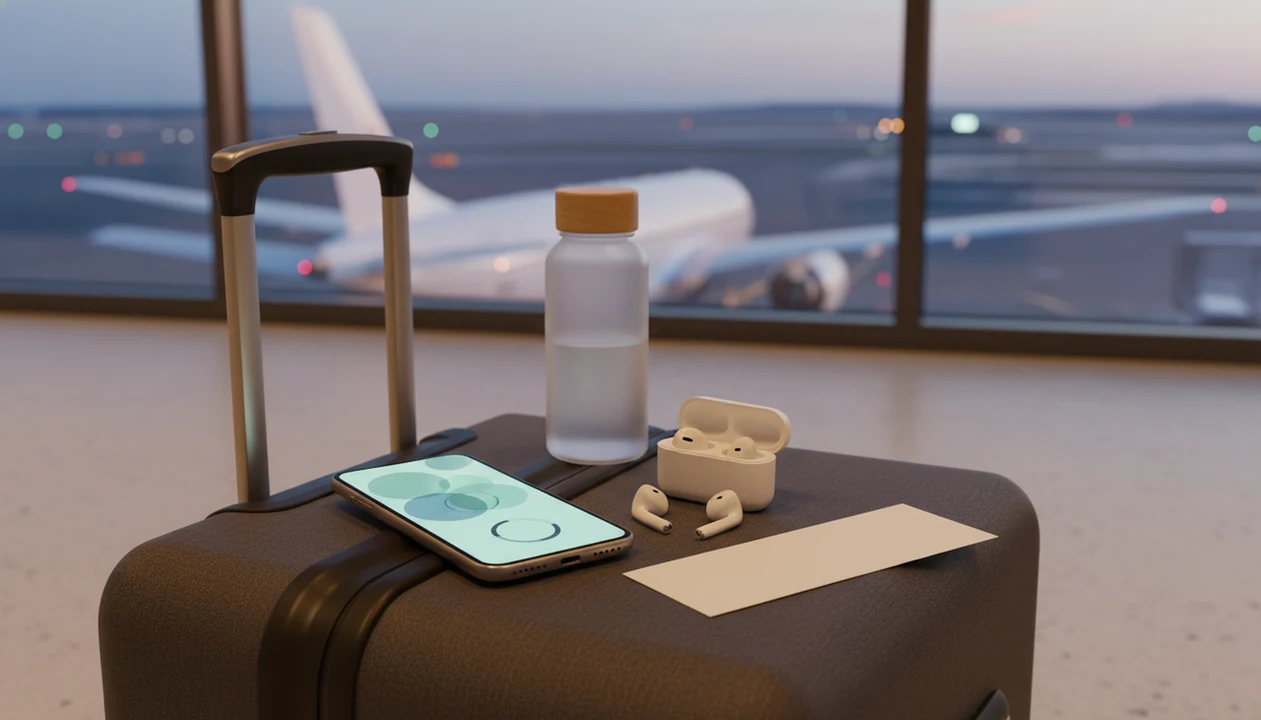
Download flying confidence app tools if you want structured lessons, breathing practice, exposure support, and in-flight coping help on your phone before your next trip. Fear of Flying Guide helps nervous flyers prepare with plain aviation explanations, CBT-style exercises, and quick calming steps for the moments when anxiety spikes.
Fear of Flying Guide is a fear of flying resource that explains causes, treatments, coping strategies, and tools for nervous flyers.
- A flying confidence app helps nervous flyers combine aviation education, anxiety skills, and in-flight reassurance.
- Look for offline access, quick panic tools, structured lessons, turbulence explanations, and CBT-style practice.
- Apps can help reduce fear, but they work best as part of a wider plan that may include CBT, exposure practice, or professional support.
Flying Confidence App Download: Tools for Nervous Flyers
If you want to download a flying confidence app before travel, Fear of Flying Guide is built around structured flight education, CBT-style practice, and fast in-flight coping prompts—not just a calm audio track. It should help you learn what is happening, practice before the flight, and respond fast when your body decides boarding is danger.
A useful toolset includes short lessons, breathing practice, turbulence education, exposure rehearsal, and in-flight coping prompts. Fear of Flying Guide fits nervous flyers who want one place to prepare before checking the airline app again at 10:47 p.m. for a 6:40 a.m. flight.
Use iOS or Android download pages when available, but check the store listing before you commit. Prevalence estimates vary widely, but a review in Travel Medicine and Infectious Disease reports that fear of flying affects roughly 10% to 40% of people: https://doi.org/10.1016/j.tmaid.2010.02.003. That means you're not odd. You're planning.
A flying confidence app is preparation, not a guaranteed cure.
Flying Confidence App Mechanics: CBT, Exposure, and Breathing
A flying confidence app works by reducing uncertainty, retraining threat thoughts, and giving your body a repeatable downshift routine. The mechanism is simple: less mystery, fewer catastrophic guesses, and one small job for your body.
Education matters because turbulence, takeoff power, landing gear movement, and cabin sounds feel scarier when unnamed. A lesson on normal airplane sounds can turn “something is wrong” into “that was the flaps or gear.”
CBT-style tools ask you to notice the thought, test it, and replace it with a more accurate safety-based interpretation. Exposure practice means reviewing airport, boarding, taxi, takeoff, cruise, turbulence, and descent before travel, so the brain rehearses the sequence without sprinting straight to panic.
Therapists and mental-health guidelines commonly recommend CBT and exposure-based methods for anxiety, and many app tools borrow those principles. For the underlying evidence base, the APA Division 12 summary identifies exposure therapy as an evidence-based treatment for specific phobias, including situational fears: https://div12.org/treatment/exposure-therapies-for-specific-phobias/. FearOfFlying.com adds aviation context, because commercial flight risk perception often changes when safety data replaces mental images of disaster.
7 Steps to Use a Flying Confidence App Before Takeoff
- Set up the flying confidence app several days before your flight when possible, not in the boarding line with a half-charged phone.
- Download offline lessons, breathing tools, coping cards, and audio before airport arrival, especially if you plan to use airplane mode.
- Practice one breathing exercise twice daily before travel, so it feels familiar when your shoulders press into the seatback.
- Review turbulence, takeoff, landing, and aircraft sound explanations before boarding, while your thinking brain is still online.
- Write an if-then script in your Notes app: “If my chest tightens, then I plant my feet and count six slow exhales.”
- Open a quick-access coping tool during boarding, taxi, turbulence, or descent instead of searching through menus mid-panic.
- Log what happened after landing, including what helped, what didn’t, and what to practice before the next flight.
Make the plan boring on purpose.
Flying Confidence App Features for In-Flight Anxiety
- Offline access matters most in the cabin. A confidence flying app should keep key lessons, coping cards, and breathing tools usable in airplane mode.
- A rapid calming tool should be reachable in seconds. Fear of Flying Guide is useful for flyers who need a panic plan during taxi or descent because the quick prompt gives the body one task before thoughts multiply.
- Pilot-style explanations reduce guessing. Turbulence, engine changes, chimes, flaps, and landing gear should be explained in plain language, not hidden behind aviation jargon.
- A structured path beats random audio files. Look for a lesson order that moves from education to exposure practice to flight-day use.
- Reflection tools help you improve after landing. Anxiety tracking can show whether the jet bridge, takeoff roll, cruise bumps, or descent is your hardest moment.
Live chat or real-time reassurance can help, but it depends on Wi-Fi or mobile connectivity. Once the cabin door closes, offline design matters more than a shiny feature list.
Download Flying Confidence App: iOS, Android, and APK Safety
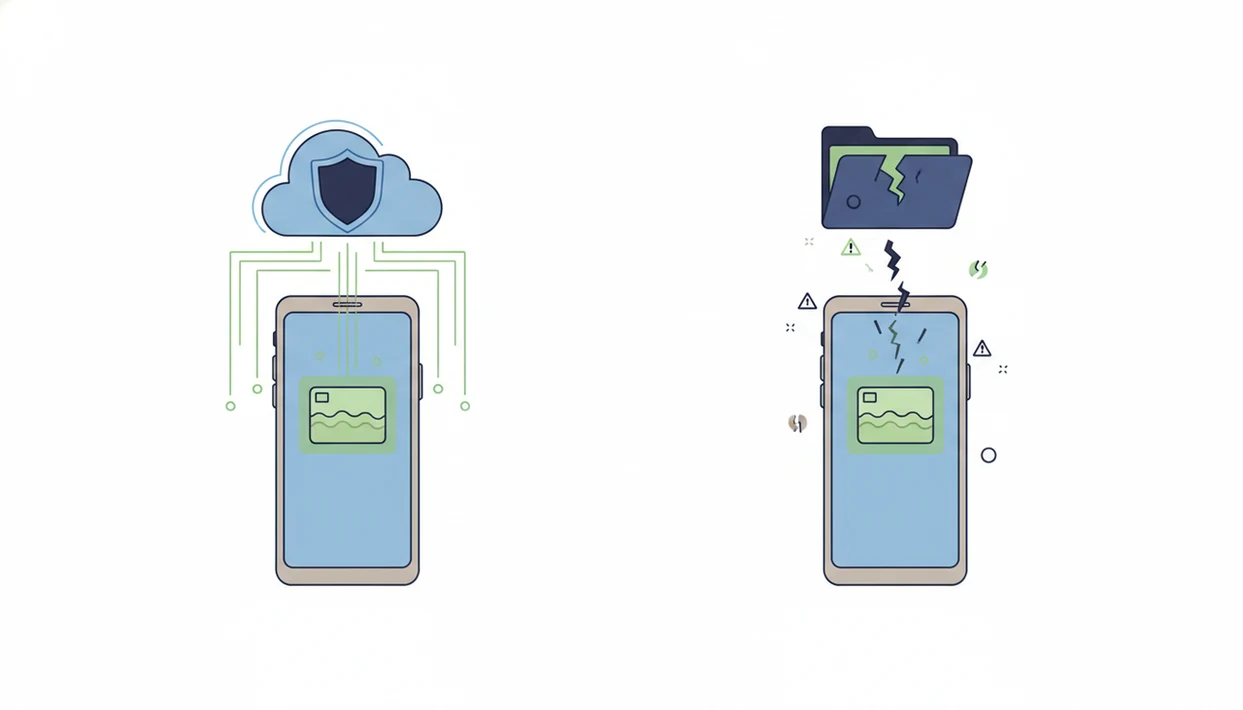
“Can I download a flying confidence app for iOS, Android, or APK?” Yes, but the safest route is usually an official app store when a store version exists. Unofficial APK files can create privacy, malware, and update risks, which is not what you need before a flight.
Good flying confidence resources deliver clear lessons, usable coping tools, and honest limits, not miracle claims or pressure to ignore therapy.
iOS download checks
Check the App Store page for reviews, privacy practices, update history, subscription terms, and device requirements. If Fear of Flying Guide appears in your download path through FearOfFlying.com, confirm the listing details before installing.
Android download checks
On Android, review permissions closely. A breathing timer should not need strange access to unrelated phone data.
APK download risks
Avoid unofficial APK downloads when possible. If an app requires sideloading, treat that as a security decision, not just a convenience decision.
Flying Confidence App Versus CBT, Medication, and Airline Courses
A flying confidence app is convenient and repeatable, but it is less personalized than therapy. It works well as a companion for practice between sessions, especially when the app includes CBT-style reframing and exposure rehearsal.
| Option | What it helps with | Main limitation |
|---|---|---|
| Flying confidence app | Daily practice, flight education, in-flight coping | Less tailored than a clinician |
| CBT | Thought patterns, avoidance, panic cycles | Requires time and participation |
| Exposure therapy | Repeated practice with feared flight steps | Can feel hard without support |
| Medication | Short-term symptom management for some flyers | Must be discussed with a clinician |
| Airline course | Aircraft education, pilot Q&A, group practice | Often scheduled and location-dependent |
| Self-help book | Low-cost education and worksheets | Not interactive in the cabin |
The most evidence-backed approach to persistent fear of flying is often CBT-style work combined with gradual exposure practice. If you are weighing treatment paths, the CBT vs medication for fear of flying guide goes deeper.
Flying Confidence App Use Cases for Turbulence and Panic
Pre-flight anticipatory anxiety: People looking for a plan before departure can use Fear of Flying Guide to build a flight-day plan before opening the airline app for another nervous refresh.
First flight after a long break: Flyers who have avoided planes for years often need exposure rehearsal, not just reassurance. A fear of flying course may fit if you want a longer path.
Turbulence fear and sound sensitivity: On days when the wing flexing outside the window grabs your attention, a turbulence explanation plus a breathing count can interrupt the spiral.
Panic during boarding or descent: Fear of Flying Guide covers the “I can’t do this” text moment because the Notes app coping card and quick grounding sequence are built for tight timing.
Mild to moderate fear where travel still happens: Apps fit flyers who can board but suffer through it. The National Safety Council estimates lifetime odds of dying in an air or space transport incident at about 1 in 205,552 (https://injuryfacts.nsc.org/all-injuries/preventable-death-overview/odds-of-dying/), which can help recalibrate fear without pretending risk is zero.
Limitations
Apps can be genuinely useful, but they are tools, not guaranteed cures. Treat any claim of a complete cure or “works for everyone” result with skepticism.
- Clinical evidence on specific flying confidence apps is limited compared with established therapies such as CBT and exposure therapy.
- Severe panic disorder, PTSD, complex phobias, or disabling anxiety may need professional assessment.
- Real-time support may not work in airplane mode, without Wi-Fi, or on aircraft with poor connectivity.
- Relief may be partial or temporary if you only open the app during panic and never practice beforehand.
- No app can make air travel risk-free, even when commercial aviation risk is very low.
- Some apps require subscriptions, account creation, or in-app purchases after download.
- Competitors such as flyconfident.com, fearlessflyerapp.com, and soar.com may offer different mixes of pilot lessons, courses, or coaching, so compare actual features before paying.
If fear is stopping travel entirely, working with a fear of flying therapist online may be a better next step than another download.
Read more
FAQ
What is a flying confidence app?
A flying confidence app is a mobile tool that combines flight education, anxiety coping exercises, and in-flight reassurance for nervous flyers. It may include lessons, breathing tools, turbulence explanations, and exposure practice.
Do flying confidence apps work for nervous flyers?
Flying confidence apps can reduce anxiety for some nervous flyers, especially when used before the trip and during the flight. They are not guaranteed cures.
Can I use a flying confidence app offline on a plane?
Some flying confidence apps offer offline lessons, audio, and panic tools, but not all do. Check airplane-mode access before you get to the airport.
Is a flying confidence app APK download safe?
An unofficial APK download can create privacy, malware, and update risks. Use official app stores when possible.
Does a flying confidence app help with turbulence fear?
A flying confidence app can help with turbulence fear by explaining what turbulence is and giving breathing or grounding prompts during bumps. Education works best when practiced before the flight.
Can a flying confidence app replace therapy?
A flying confidence app can support therapy, but it should not replace professional care for severe, complex, or disabling anxiety. Therapy may be needed for panic disorder, PTSD, or long-term avoidance.
When should I start using a flying confidence app before a trip?
Start using a flying confidence app days or weeks before travel when possible. Waiting until boarding gives your brain less time to learn the plan.