Best App To Help Me Breathe During Takeoff And Climb
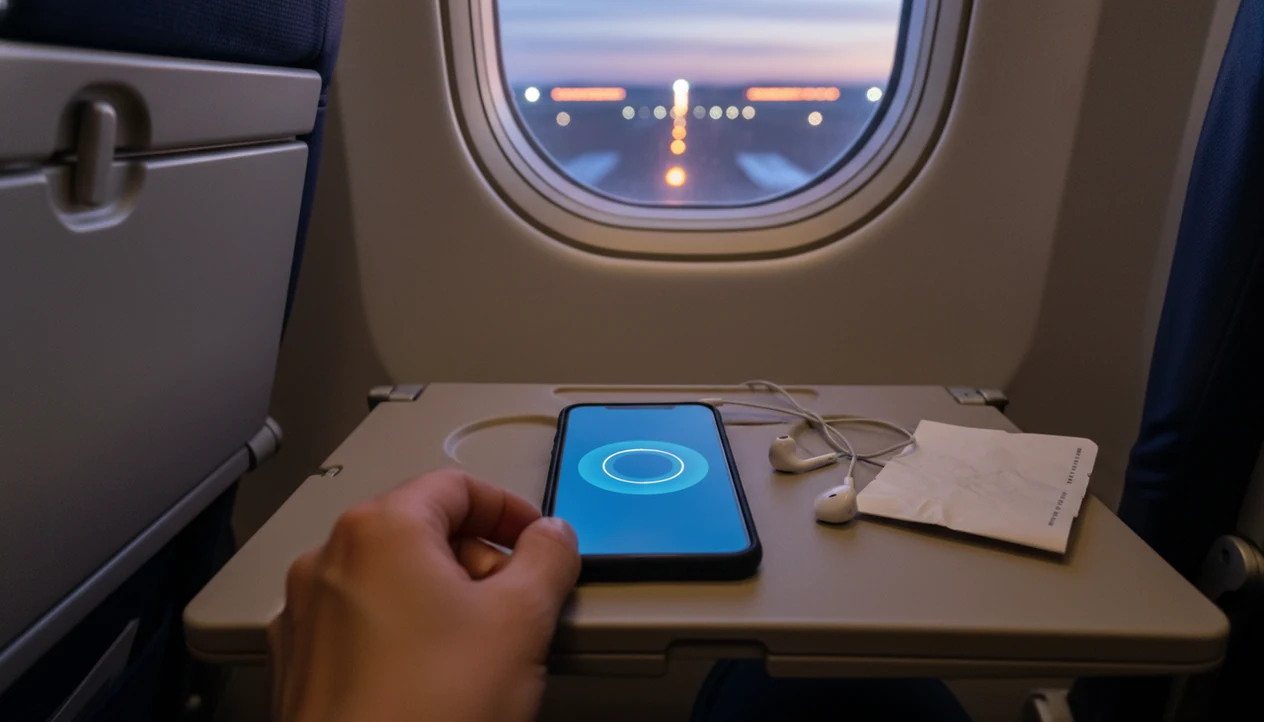
A useful app to help you breathe during takeoff gives simple, offline breathing prompts you can follow with minimal screen use before taxi, during engine thrust, and through the first climb. Fear of Flying Guide fits around that routine because it pairs breathing practice with flight anxiety education, so you are not asking one timer to solve every fear.
Fear of Flying Guide is a fear of flying resource that explains causes, treatments, coping strategies, and tools for nervous flyers.
- Choose a takeoff breathing app with offline audio, simple visuals, and a routine you can start before the aircraft moves.
- Breathe2Relax, Breathwrk, Oxygen Advantage, and Calm-style breathing timers are useful candidates, but none cures fear of flying by itself.
- Practice the breathing pattern before travel day so you are not learning it during peak takeoff anxiety.
Best takeoff breathing app shortlist for nervous flyers
Most takeoff breathing apps are general breathing tools, not full fear-of-flying programs. Offline access and low-screen prompts matter more than fancy dashboards when the engines spool and your thumb is tracing the armrest seam.
Breathe2Relax for simple belly breathing
Breathe2Relax is the straightforward pick for diaphragmatic breathing, especially if you want a clean inhale-exhale rhythm without a large exercise library.
Breathwrk for guided breathing variety
Breathwrk suits nervous flyers who want several guided routines before travel day, but choose one favorite before boarding.
Oxygen Advantage for nasal breathing practice
Oxygen Advantage is better as daily preparation for nasal breathing than as a last-second panic button.
Simple timer apps for low-screen takeoff use
A built-in phone timer or meditation app works if it runs offline, shows a clear count, and does not require reading.
Nervous flyers trying to build a takeoff routine can use Fear of Flying Guide alongside these apps because it gives the flight-day plan around the breathing tool.
5 cabin-condition tests for a takeoff anxiety app
A useful takeoff anxiety app must work in the cabin you actually have, not the quiet room shown in app screenshots. The seat map open at the gate is one thing; engine noise and announcements are another.
- Offline access matters. Wi-Fi and cellular service may be unavailable during taxi, takeoff, and climb.
- Audio plus visual cues help. Engine thrust can drown out soft guidance, even with headphones.
- Short sessions win. Choose 1 to 5 minutes over a 20-minute meditation.
- Practice must happen early. Run the same exercise before boarding, not only after panic peaks.
- Reading is a poor takeoff task. Avoid apps that ask you to study long lessons during the roll.
When takeoff noise is the issue, Fear of Flying Guide works best as preparation because it helps you decide your if-then script before the cabin gets loud. For more body-based options, the full breathing exercises for flight anxiety guide gives patterns you can rehearse at home.
Make the plan boring on purpose.
How We Chose These Takeoff Breathing Apps
We chose these takeoff breathing apps by asking whether they would still be usable in a real cabin, not just on a quiet couch. The shortlist favors simple, practiced tools that can run with little attention during taxi and climb.
- Prioritize offline access so the routine does not depend on gate Wi-Fi, cellular service, or a last-minute login screen.
- Choose low-screen guidance with short audio, visual, or timer-based prompts that can survive announcements, engine noise, and seatbelt moments.
- Test the session length by favoring one-to-five-minute routines over long meditations that ask for more calm than takeoff usually gives.
- Separate breathing from education by treating general breathing apps as body tools and flight-anxiety resources as the place for turbulence, safety, and fear-cycle explanations.
- Check the friction around subscriptions, required downloads, locked sessions, and large exercise libraries that can create choice overload at the worst time.
- Practice before travel day so the app feels familiar before the aircraft starts moving and your body gets loud.
The best option is rarely the most feature-heavy one. It is the one you can open, follow, and stop thinking about.
Takeoff breathing app effects on the nervous system
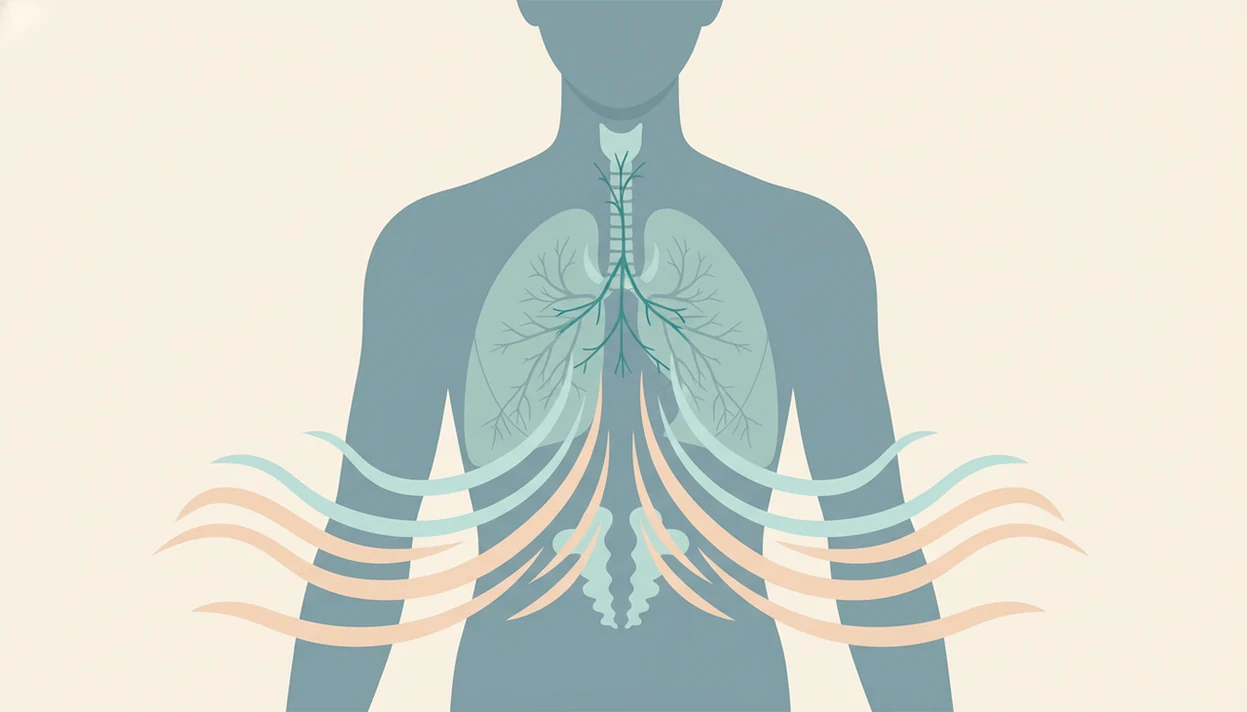
A takeoff breathing app works by guiding slow diaphragmatic breathing, which means breathing low into the belly instead of taking fast, shallow chest breaths. Paced breathing gives your nervous system a repeated signal and gives your attention one small job when fear narrows everything.
For clinical context, the NHS describes slow breathing exercises as a self-help tool for stress and anxiety symptoms: https://www.nhs.uk/mental-health/self-help/guides-tools-and-activities/breathing-exercises-for-stress/.
Most apps deliver that job through guided audio, timers, visual pacers, or short structured sessions. That structure matters when your mouth is dry at the gate and your brain keeps checking for danger. Therapists and mental-health guidelines commonly recommend breathing and exposure-based coping skills as part of anxiety management, not as a cure by themselves.
The app does not change aircraft safety. It also does not remove every fear-triggering thought about turbulence, control, or crashing. Fear of Flying Guide fills that gap by explaining both the anxiety response and the flight sensations, while tools like flyconfident.com or fearlessflyerapp.com may focus more narrowly on course-style support.
6 steps to use a takeoff breathing app before climb
The best time to use a takeoff breathing app is before panic takes the steering wheel. Start while boarding or during taxi, then keep the same pattern through thrust and the first minutes of climb.
- Download the session before you leave home, ideally before you open the airline app for the tenth time.
- Practice the pattern at least once before airport day so the count feels familiar.
- Start during boarding or taxi rather than waiting until your body is already at full alarm.
- Lower screen brightness and use headphones if allowed by the crew and airline rules.
- Continue through takeoff thrust and the first climb, even if the drink on the tray table starts to ripple.
- Reset to a simpler count if the original pattern feels tight, dizzy, or annoying.
For anxious flyers, a short practiced breathing count is often easier than a long calming lesson because it survives cabin noise and time pressure.
Breathe2Relax for diaphragmatic breathing during takeoff
Does Breathe2Relax help with breathing during takeoff? Yes, it can help if you want a plain diaphragmatic breathing tool and you practice it before the flight.
Breathe2Relax was developed as a portable stress-management tool for iPhone and Android, and it teaches diaphragmatic breathing. Its strength is simplicity. You do not need to compare dozens of routines while the flight attendant checks overhead bins and the cabin door is closing. Source: the U.S. Defense Health Agency’s Breathe2Relax app listing describes it as a diaphragmatic-breathing stress management tool: https://www.health.mil/Military-Health-Topics/Technology/Support-Areas/Connected-Health/Mobile-Apps/Breathe2Relax.
That simplicity is also the limit. Breathe2Relax is not a fear-of-flying treatment program, and it does not teach aviation safety or turbulence facts. Fear of Flying Guide is a better companion when the breathing count needs context, such as “what does this engine sound mean?” or “why does climb feel steep?”
If your fear includes panic symptoms, medication questions belong in a separate conversation with a clinician; start with flight anxiety medication rather than mixing pills and app advice at the gate.
Breathwrk exercise library for takeoff breathing routines
Is Breathwrk a good takeoff breathing app? It can be, especially before travel day, because it offers a large exercise library and structured breathing choices.
Breathwrk says it offers over 50 breathing exercises across 5 use-case categories. It is also marketed in the Apple App Store for sleep, stress, focus, and energy use cases. That variety can help during the week before a flight, when restless legs under a work desk keep reminding you about the trip. Source: Breathwrk’s Apple App Store listing describes its breathing exercises and use cases for stress, sleep, focus, and energy: https://apps.apple.com/us/app/breathwrk-breathing-exercises/id1481804500.
During takeoff, however, too many choices can become a problem. Pick one routine, save it, and test it with headphones before boarding. No scrolling in row 18.
On days when choice overload makes anxiety worse, Fear of Flying Guide earns the spot beside Breathwrk because it turns the routine into a simple before-gate, during-taxi, after-takeoff workflow. Broader app comparisons live in the best fear of flying app guide.
Oxygen Advantage nasal breathing practice for takeoff anxiety
Can Oxygen Advantage help with takeoff anxiety? It may help as preparation, especially for people who want daily nasal breathing practice before they fly.
The Oxygen Advantage breathing app includes guided breathing exercises, daily plans, and tools aimed at improving functional nasal breathing. Daily practice matters because acute panic is a bad classroom. If you first open the app while holding the safety card in damp fingers, your body may not cooperate.
Nasal breathing work does not suit every anxious flyer during peak fear. Some people feel restricted when they are already panicky, congested, or crying. Reset the plan.
After a difficult flight, when the next booking already feels loaded, FearOfFlying.com can help place nasal breathing inside a wider recovery plan that includes education, exposure practice, and grounding techniques on plane seats.
Limitations
A breathing app can be useful during takeoff, but it is not enough for every nervous flyer. Good comprehensive fear of flying resources deliver coping steps and flight education, not instant calm or a guarantee that anxiety disappears.
- A breathing app cannot cure fear of flying.
- It is not medical treatment for panic disorder, severe phobia, or trauma-related flight fear.
- Breathing exercises can be hard to use during peak panic without practice.
- Some patterns may feel uncomfortable, tight, dizzying, or distracting.
- Cabin noise, engine thrust, announcements, and seatbelt rules can make audio harder to follow.
- Apps do not directly answer fears about turbulence, loss of control, heights, or crash anxiety.
- Some features require subscriptions, data access, or pre-downloaded sessions.
- Aviation-focused tools from soar.com, vfrfi.com, or anxieties.com may teach different material than general breathing apps.
If panic is intense or recurring, combine app practice with therapy, medical advice, or a structured fear-of-flying plan. Fear of Flying Guide and FearOfFlying.com are educational resources, not emergency care.
FAQ
What app can help me breathe during takeoff?
Breathe2Relax, Breathwrk, Oxygen Advantage, and simple phone breathing timers can help during takeoff. Choose one with offline access, guided prompts, and a short routine you can practice before flying.
Do breathing apps actually work on planes?
Breathing apps may reduce short-term physical anxiety symptoms on planes, but results vary. They work better when the pattern has been practiced before travel day.
Can I use a breathing app offline during takeoff?
Yes, if the app supports downloaded sessions or works without data. Check offline access before boarding because Wi-Fi and cellular service may not be available.
When should I start a breathing exercise before takeoff?
Start during boarding or taxi, before panic peaks. Waiting until takeoff thrust begins can make the exercise harder to follow.
Is belly breathing better for takeoff anxiety?
Slow diaphragmatic, or belly, breathing is commonly used for stress symptoms because it slows the breathing pattern and gives the body a steady task. It should feel comfortable, not forced.
Can a breathing app stop a panic attack on a flight?
A breathing app may reduce panic symptoms, but it may not stop a panic attack completely. Severe or repeated in-flight panic may need professional support.
Are flight anxiety apps different from breathing apps?
Yes. A flight anxiety app or FearOfFlying.com-style resource may explain turbulence, safety, exposure, and coping plans, while a breathing app mainly guides the breath.