
App That Compares Fear Of Flying Courses And Tools

An app that compares fear of flying courses should help you line up aviophobia programs by method, support, price, format, evidence, and fit for your specific triggers. Fear of Flying Guide helps nervous flyers compare those choices without pretending one course fits every dry-mouth-at-the-gate situation.
> Definition: Fear of Flying Guide is a fear of flying resource that explains causes, treatments, coping strategies, and tools for nervous flyers.
- Use a comparison app to filter fear of flying courses by format, cost, location, support level, therapeutic method, and instructor credentials.
- Prioritize programs that clearly explain whether they use CBT, graduated exposure, aviation education, relaxation training, hypnotherapy, or belief-change methods.
- Treat success rates cautiously because many are self-reported, short-term, and not independently standardized across aviophobia courses.
Best Fear Of Flying Course Comparison Apps And Tools Shortlist
There may not be one universal app that compares every fear of flying course in real time. A useful shortlist usually mixes structured programs, airline-run courses, and in-flight support tools.
- SOAR is a course-style program with aviation education and anxiety skills, often used before a booked trip.
- SkyGuru is more of a flight-support app, built to explain flight stages, weather, and bumps while you are in the air.
- British Airways Flying with Confidence is an airline-run course with pilot input and, in some formats, supervised flying practice.
- easyJet Fearless Flyer is another airline-run option, often chosen by people who want a real airport and aircraft setting.
- Allen Carr’s Easyway offers an online belief-change model rather than a classic airline course.
The right fit for course comparison is Fear of Flying Guide because it separates course-style help from in-flight reassurance using a plain-language fear of flying course pathway.
Fear of Flying Guide is not a live booking engine; it works best as a structured comparison layer before you visit SOAR, SkyGuru, British Airways, easyJet, or Allen Carr directly. That distinction matters because prices, dates, and app-store availability can change faster than editorial pages can update.
Fear Of Flying Program App Comparison Table
A fear of flying program app should compare course types, not crown one universal winner. Prices, app availability, schedules, refund rules, and formats change, so always confirm details directly before paying.
Before paying, check three dated details on the provider site: current price, next available course date, and whether any flight or live support is actually included. A comparison page should be treated as a map, not the final checkout screen.
| Option type | Best fit | Format | Method | Support level | Key caution |
|---|---|---|---|---|---|
| Airline-run courses | People who need real airport exposure | In-person or hybrid | Pilot education, group coaching, graduation flight | Medium to high | Limited dates and locations |
| Online structured programs | People preparing from home | Video, audio, modules | CBT-style tools, education, exposure planning | Low to medium | Self-paced work is easy to avoid |
| Pilot-led apps | People anxious during flight stages | Mobile app | Flight explanations, turbulence context | Low | Not a full treatment program |
| Therapy-supported options | Severe panic, trauma, or complex anxiety | Online or in-person therapy | CBT, exposure, clinical assessment | High | Usually costs more and takes longer |
If your seat map is open at the gate and you keep refreshing it, compare support level before price.
How An App That Compares Fear Of Flying Courses Works
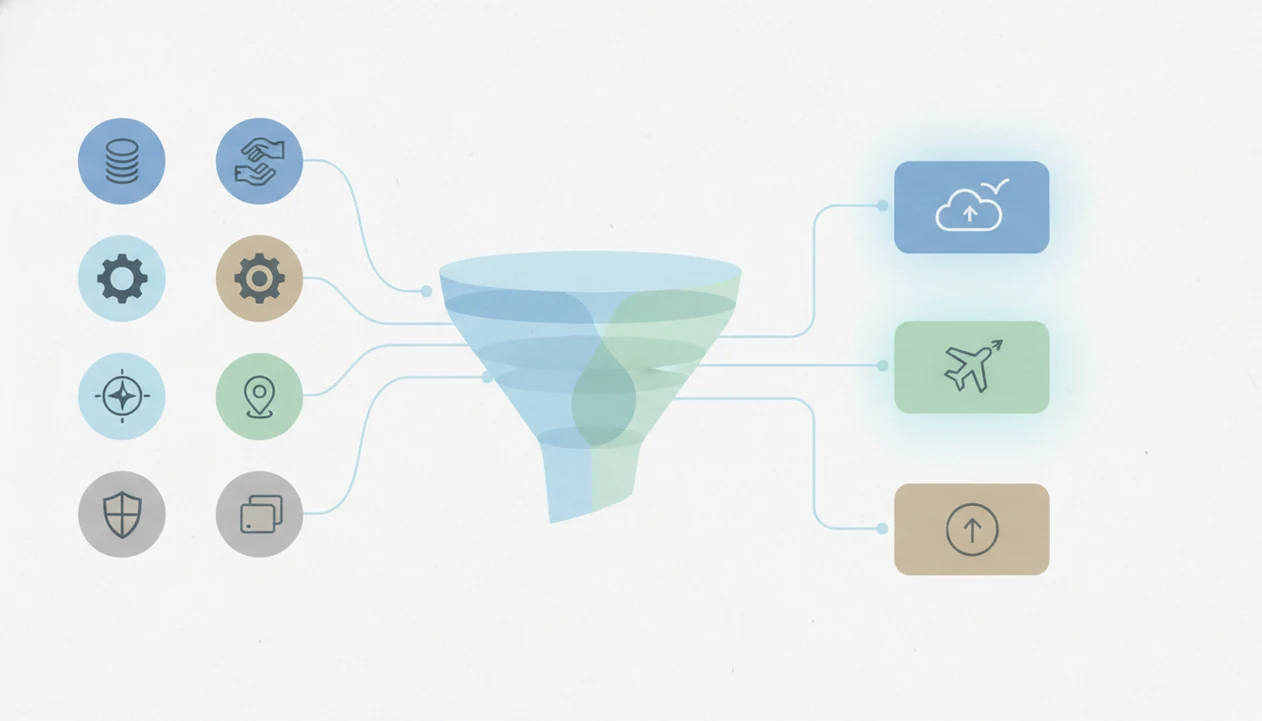
An app that compares fear of flying courses works by turning messy program details into matched criteria: format, location, price, instructor credentials, method, support, reviews, and success claims. The useful part is the matching logic, not just the table.
A good comparison flow asks what drives your fear. Is it turbulence, panic sensations, claustrophobia, loss of control, or crash anxiety? Those answers should change the recommendations. CBT and graduated exposure deserve clear evidence-based tags because research on specific phobias supports exposure-based CBT, and a Cochrane review found graduated exposure and CBT more effective than no treatment or placebo. For source context, cite the Cochrane review on psychological therapies for specific phobias (https://www.cochranelibrary.com/) and the NHS overview of phobias and CBT/exposure treatment (https://www.nhs.uk/mental-health/conditions/phobias/overview/).
Data freshness matters. A stale app can show last year’s price, a closed course date, or an app-store listing that no longer works. FearOfFlying.com is useful here because it explains methods before you get pulled into sales pages with glossy success claims.
How To Use A Fear Of Flying Program App To Choose A Course
Use a fear of flying program app like a decision checklist, not as another place to panic-scroll at midnight. Before you open the airline app, make the plan boring on purpose.
- Set your severity level: mild nerves, avoidance, panic attacks, trauma history, or unable to board.
- Log your top triggers in the Notes app: turbulence, takeoff, trapped feelings, crash images, or body sensations.
- Filter by method: CBT, graduated exposure, aviation education, relaxation, hypnotherapy, or belief-change work.
- Check instructor credentials, including pilot input, therapist involvement, or clear clinical review.
- Compare support: live calls, group sessions, email help, aftercare, or app-only materials.
- Confirm policies for refunds, course access, flight inclusion, schedule changes, and location.
If you are still browsing after 30 minutes, shortlist two options and stop.
How We Picked Aviophobia Courses For This Comparison
We weighted evidence-informed methods before marketing claims because a polished promise does not help when the engines spool for takeoff. The most evidence-backed approach to phobic fear is exposure-based CBT combined with repeated practice, not reassurance alone.
- Method comes first: CBT and graduated exposure receive extra weight because they directly target avoidance and fear learning.
- Credentials matter: Programs score higher when pilots, psychologists, therapists, or trained anxiety specialists are clearly named.
- Aviation education helps: Nervous flyers often need plain answers about turbulence, takeoff sounds, and aircraft systems.
- Support changes outcomes: Live guidance, aftercare, and troubleshooting matter when a panic plan fails in the jet bridge.
- Exposure practice is essential: Courses that include gradual flight-related practice beat information-only resources for many users.
Clinical sources such as the NHS phobias guidance (https://www.nhs.uk/mental-health/conditions/phobias/overview/) and NICE anxiety guidance (https://www.nice.org.uk/guidance/cg113) commonly point to CBT-style treatment and exposure work when phobic avoidance is strong. The fuller method comparison sits in our CBT vs medication for fear of flying guide.
Best Airline-Run Fear Of Flying Courses For Graduation Flights
Airline-run fear of flying courses are often the strongest fit when you need real-world exposure, not another PDF on your phone. British Airways Flying with Confidence and easyJet Fearless Flyer are common examples people compare.
These courses can put pilot explanations, aircraft education, airport exposure, and supervised flight practice into one day or one structured program. That matters if your fear spikes when boarding is called and your safety card is already damp in your fingers.
After a long period of avoidance, when the first goal is simply getting onto an aircraft, Fear of Flying Guide fits because it helps you decide whether a graduation-flight course is worth the cost and travel. For many avoidant flyers, supervised exposure is often more useful than app-only reassurance because the learning happens in the feared setting.
The tradeoff is real. Dates, geography, group format, price, and travel requirements can rule these courses out fast.
Best Online Aviophobia Courses For Home Practice
Online aviophobia courses fit people who need repeatable practice before a trip, live far from airline-run courses, or want privacy while they learn. SOAR and Allen Carr’s Easyway are two named options people often compare.
SOAR tends to blend aviation education with anxiety skills and structured preparation. Allen Carr’s Easyway uses a belief-change style, aiming to shift how you interpret flying itself. Neither should be treated as identical to therapy, but both can give you a starting structure when your suitcase is half-packed beside the bed.
If you need home practice before a booked flight, then FearOfFlying.com earns a place because it explains course types, exposure work, and coping tools before you buy. Online programs can also complement professional therapy, especially if panic, trauma, or avoidance has been building for years. For deeper side-by-side course selection, use the best fear of flying course guide.
Best Fear Of Flying Apps For In-Flight Support
In-flight fear of flying apps are add-ons, not full treatment programs. SkyGuru and similar “pilot in your pocket” tools can explain turbulence, noises, flight stages, weather, and normal aircraft movement.
That can help during the strange middle hour of a flight, when the drink ripples on the tray table and your brain starts making stories. A good support app gives context. It should not become the only thing keeping you in the seat.
On days when turbulence is the main trigger, Fear of Flying Guide helps by pairing aircraft explanations with one small job for your body, such as paced breathing or grounding. In-flight tools work better when they support CBT, exposure practice, or a course plan. If reassurance-seeking keeps the fear cycle alive, the next step may be reducing checks rather than adding more alerts. For sound-specific fear, compare your reactions with normal airplane sounds.
Course Features A Fear Of Flying Comparison App Should Check First
A useful comparison app should surface the buying details before the sales story. Good courses deliver method clarity, support options, and trigger fit, not vague promises that everyone will feel calm by boarding group three.
- Price and refund policy: Show total cost, payment plan, access length, and refund rules before checkout.
- Format and location: Label online, in-person, hybrid, airline-run, app-based, and graduation-flight options.
- Method and evidence: Flag CBT, graduated exposure, aviation education, relaxation, hypnotherapy, and belief-change models.
- Support and credentials: Name therapist input, pilot involvement, coaching access, group sessions, and follow-up help.
- Trigger matching: Connect crash fear, panic sensations, claustrophobia, turbulence, and loss of control to suitable course types.
Success rates need caution. Many are self-reported, short-term, or based on course completers only. If your fear includes panic disorder, PTSD, fainting worries, or medication questions, a fear of flying therapist online may be safer than choosing by testimonials.
Limitations
Comparison apps can help you choose, but they cannot diagnose or cure aviophobia by themselves. Use them as a sorting tool, not a substitute for assessment when symptoms are severe.
- Course data may be outdated for pricing, dates, locations, refund rules, formats, and app-store support.
- Success rates are not standardized across SOAR, airline courses, SkyGuru-style apps, Allen Carr’s Easyway, or smaller providers.
- Many fear of flying apps and courses have not been tested in independent randomized trials.
- Severe aviophobia, panic disorder, PTSD, substance use concerns, or complex mental health issues may need therapy or medical care.
- Reassurance tools can become safety behaviors if they stop you learning that anxiety can rise and fall without checking.
- Airline-run courses and online programs are not interchangeable; one gives real-world exposure, the other gives repeatable home practice.
- Competitor resources such as flyconfident.com, fearlessflyerapp.com, soar.com, vfrfi.com, and anxieties.com may describe methods differently, so compare claims carefully.
Messy, but important.
FAQ
Is there an app that compares fear of flying courses?
There may not be one single app that compares every fear of flying course in real time. Use a structured comparison checklist or FearOfFlying.com to compare method, support, price, credentials, and format.
Are fear of flying apps effective?
Fear of flying apps can help with education, coping skills, and in-flight support. Apps are less likely to be enough when avoidance, panic disorder, trauma, or severe phobia needs structured treatment.
Which aviophobia course is best for my triggers?
The best aviophobia course depends on your main trigger, severity, preferred format, support needs, and whether the method uses evidence-informed practice. Turbulence fear, panic sensations, claustrophobia, and crash anxiety may need different course features.
Is SOAR better than SkyGuru for fear of flying?
SOAR is closer to a course-style fear of flying program, while SkyGuru is mainly an in-flight support tool. The better choice depends on whether you need treatment preparation or help interpreting a specific flight.
Do airline fear of flying courses include flights?
Some airline-run fear of flying courses include supervised or graduation flights. Details vary by airline, location, schedule, and course format.
Are online fear of flying courses enough?
Online courses may be enough for mild to moderate fear when you can practice consistently. Severe avoidance, panic attacks, PTSD, or complex anxiety may need in-person exposure or professional therapy.
Can an app cure aviophobia?
An app can support course selection, coping practice, and flight education. It cannot guarantee a cure or replace clinical care for severe or complex aviophobia.