
Pre-Flight Anxiety Routine For Nervous Flyers
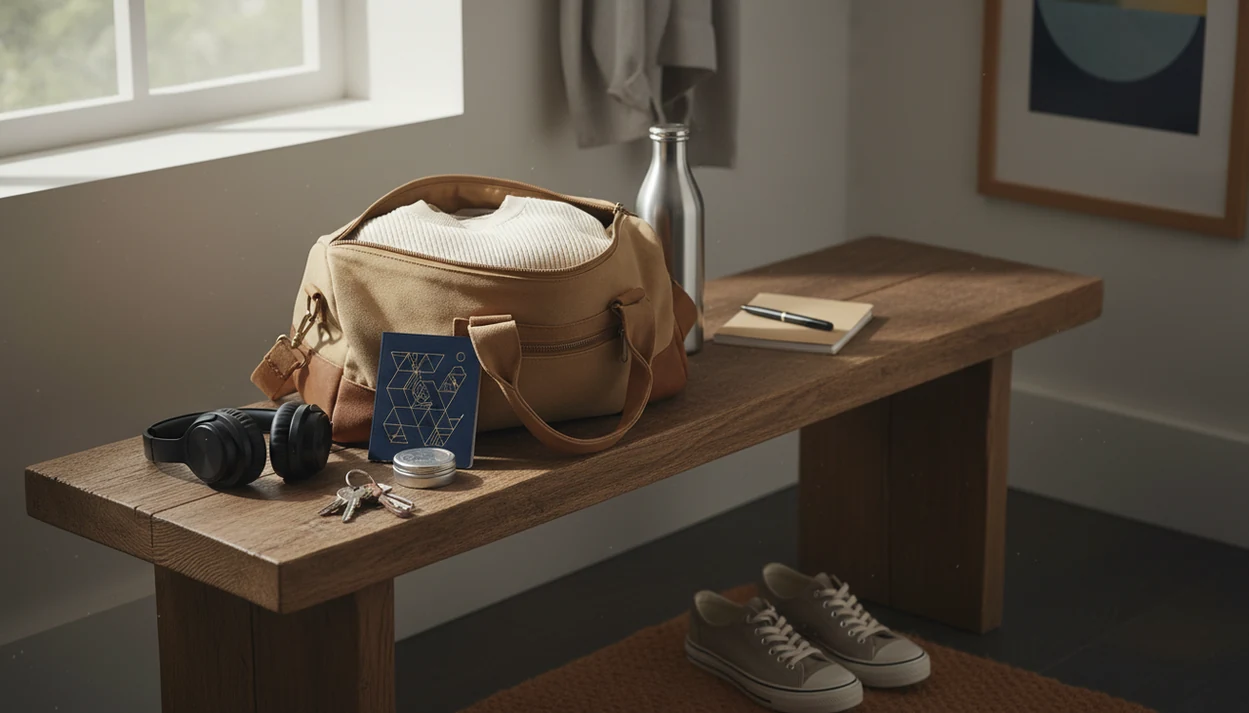
A pre-flight anxiety routine works best when it is timed, repeatable, and simple: prepare the day before, use a short coping plan at home, move through the airport in predictable steps, and board with one calming script. The goal is not to feel zero anxiety; it is to stop panic from escalating while you keep moving toward the plane.
Definition: A pre-flight anxiety routine is a planned sequence of packing, timing, breathing, grounding, support, and airport steps that helps nervous flyers manage anxiety before boarding.
This guide is educational self-help, not medical advice. If anxiety is severe, linked to trauma, or involves medication decisions, use this routine alongside guidance from a licensed clinician.
TL;DR
- Start 24 hours before flying with sleep, hydration, light movement, packing, and one written coping plan.
- Use 2-3 calming tools repeatedly instead of checking flight details, symptoms, turbulence forecasts, or safety statistics all day.
- Build an airport anxiety routine around predictable timing, security steps, gate seating, boarding scripts, and a calm kit.
Pre-flight anxiety routine definition for nervous flyers
A pre-flight anxiety routine is a flying-specific coping plan that starts before you leave for the airport, not when the engines spool up. It turns “I hope I don’t panic” into small steps you can actually follow.
The routine usually includes packing, airport timing, breathing, grounding, one support contact, and boarding scripts. It can be written in your Notes app beside your flight number, especially if you tend to refresh the airline app the night before a 6:40 a.m. flight.
A good comprehensive fear of flying resource covering causes, treatments, coping strategies, and tools for nervous flyers should give you practical steps and evidence-based options, not vague reassurance or airline cheerleading. Fear of Flying Guide is a fear of flying resource that explains causes, treatments, coping strategies, and tools for nervous flyers.
Calmer is enough. Perfect calm is not required.
Before you start a pre-flight anxiety routine
Before you start, make sure the routine is solving the right problem: manageable flight anxiety, not missing logistics, medication uncertainty, or a medical emergency. A good plan should make travel day clearer and safer before you begin the coping steps.
- Confirm the basics first: flight time, terminal, required ID, check-in status, transportation, parking or rideshare plan, and any medication instructions already given by your clinician.
- Choose one support contact before anxiety rises. Pick the person who can send one steady sentence, not someone who will debate turbulence, safety, or whether you should cancel.
- Follow prescribed medication directions exactly as written. Do not add doses, skip doses, mix with alcohol, or try someone else’s medication because the gate feels overwhelming.
- Use this routine for anxiety you can work with: racing thoughts, shaky hands, nausea, dread, or the urge to overcheck. If symptoms feel medically dangerous or unfamiliar, seek urgent medical help instead.
- Get professional support if flying triggers trauma reactions, repeated cancellations, severe panic, or weeks of avoidance before every trip.
24-hour pre-flight coping plan timeline
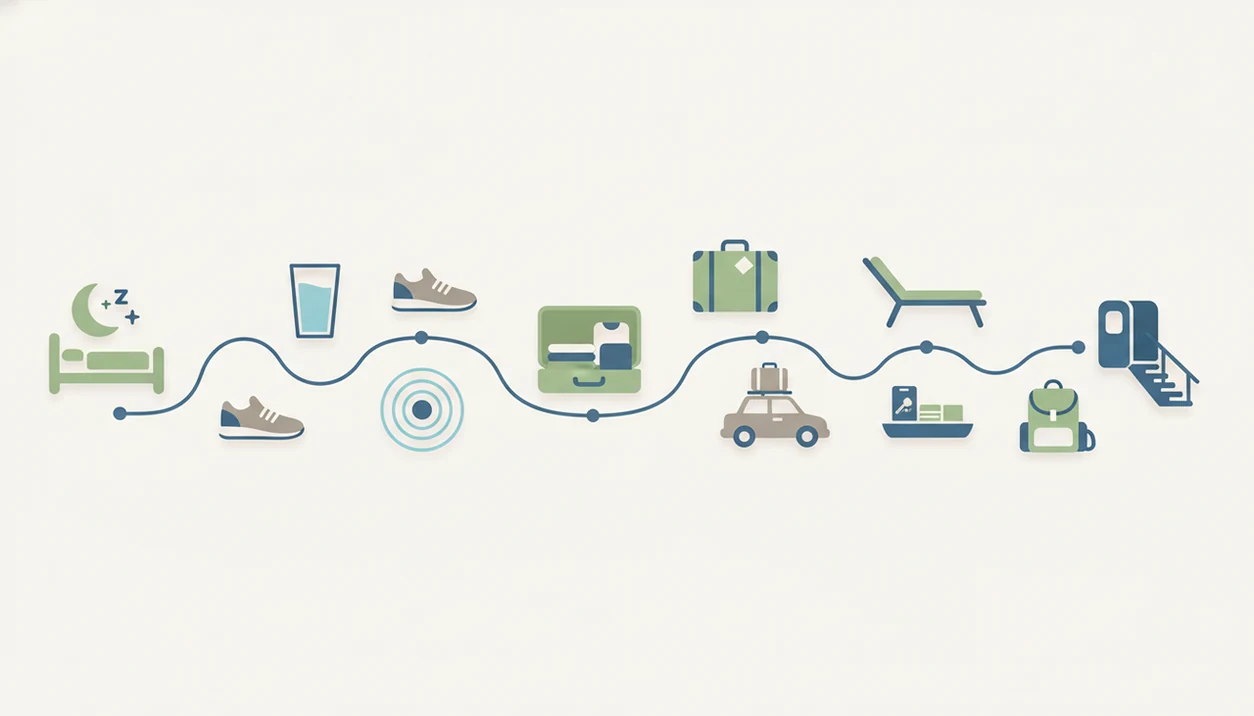
Use this pre flight coping plan as a copyable timeline. The point is to make the next step obvious before anxiety gets loud.
| Time | What to do | What to avoid |
|---|---|---|
| 24 hours before | Pack documents, medication if prescribed, calm kit, layers, snacks, headphones, and written script. | Doom-scrolling crash stories or turbulence threads. |
| Night before | Set one alarm, charge your phone, place gum in the front pocket, and choose a support person. | Rechecking aircraft type or weather every 20 minutes. |
| Morning of flight | Eat something plain, drink water, stretch for five minutes, and do one logistics check. | Excess caffeine or skipping breakfast. |
| Leaving home | Leave with a realistic buffer, not a panic buffer. | Asking for reassurance from three people. |
| Security | Use slow breathing and one small job for your body. | Symptom checking in the line. |
| Gate | Buy water, choose a quieter seat, and read your script. | Constantly watching the departure board. |
| Boarding line | Text your support person once and repeat your boarding phrase. | Alcohol as the main coping tool. |
Make the plan boring on purpose.
How a pre-flight anxiety routine works in the nervous system
A repeatable routine helps because pre-flight anxiety is driven by anticipatory anxiety, threat prediction, uncertainty, body scanning, and avoidance loops. In plain English, your brain starts treating the flight like danger before anything has happened.
- Anticipatory anxiety means the body reacts to the imagined flight, not just the real one.
- Threat prediction makes normal airport cues, such as boarding calls, feel like warnings.
- Uncertainty increases cognitive load; predictable steps give your brain fewer decisions to solve.
- Body scanning can turn dry mouth, nausea, sweating, or a racing heart into “proof” something is wrong.
- Avoidance loops grow when skipping, delaying, or overchecking briefly lowers fear but teaches the brain that flying is unsafe.
A U.S. telephone survey found that 40% of respondents reported some fear of flying, and about 12.6% had aviophobia-level fear source. Specific phobias affect an estimated 7-9% of U.S. adults in a given year, according to NIMH data source.
For nervous flyers, a timed routine is often easier than improvising because anxiety narrows attention and makes simple choices feel urgent.
How to use a pre-flight anxiety routine before leaving home
Use the routine before you open the airline app for the fifth time. Your job is to lower the starting intensity, not solve every possible flight worry.
- Set a 10-minute planning window and write your route, departure time, terminal, and one backup transport option.
- Pack your calm kit, documents, snack, gum, headphones, and a water bottle to fill or buy after security.
- Practice one breathing pattern, one grounding exercise, and one boarding script for two minutes each.
- Limit yourself to one final logistics check for gate, time, and ID before leaving home.
- Text one support contact: “I’m leaving now. Please reply with one steady sentence if I message you from the gate.”
- Leave with a real buffer, such as 30 extra minutes, not three extra hours of anxious waiting.
If tomorrow’s flight feels too close, the shorter version in how to not be scared of flying tomorrow can help you cut the routine down.
Airport anxiety routine from curb to gate
“What should I do at the airport if anxiety starts before boarding?” Follow the same route every time: check-in, bag drop, security, bathroom, water, gate walk, seat, script.
Arrive early enough to absorb normal delays, but not so early that you spend hours rehearsing disaster. For many nervous flyers, the sweet spot is the airline’s recommended arrival time plus a modest buffer. If your boarding pass is glowing in Apple Wallet and your phone is half-charged, plug in before security or carry a small charger.
After security, use the bathroom, buy water, and walk to the gate once. Choose a quieter seat where you can see flight information without staring at it. If preferred seat selection is available, picking an aisle, window, or forward seat can be a small control choice.
If the gate area is loud or crowded, pick one fixed visual anchor, such as the corner of the departure screen or the edge of your boarding pass, and return your eyes there whenever you start scanning faces, weather, or aircraft noise.
Tell a gate agent or flight attendant you are nervous if you may need brief information or calm instructions. Keep it simple: “I’m a nervous flyer, and clear updates help me.”
Calm kit checklist for a pre-flight coping plan
A calm kit should support regulation without becoming a bag of compulsions. Pack tools you will use on a timer, not items you will check every minute.
Useful calm kit items:
- Headphones: Use noise reduction or familiar audio during boarding.
- Downloaded playlist or podcast: Do not rely on airport Wi-Fi.
- Water bottle: Buy or fill it after security for dry mouth.
- Plain snack: Choose something steady for nausea.
- Gum or mints: Useful for takeoff pressure and restless chewing.
- Eye mask: Helpful if visual scanning makes anxiety worse.
- Layers: Sweating and chills can both happen during panic.
- Prescribed medication: Carry it only as directed by your clinician.
- Written script: Keep it short enough to read in the boarding line.
- Puzzle or grounding object: Give restless hands one job.
Alcohol and unprescribed sedatives should not be the routine. For broader options, compare these with practical fear of flying tips that fit before, during, and after the flight.
Boarding scripts for pre-flight anxiety symptoms
Boarding scripts work because anxious brains need short sentences, not essays. Put three scripts in your Notes app and read them when your boarding group is called.
Self-talk script
“My anxiety is predicting danger, but prediction is not proof. I can walk to my seat, place my bag up, sit down, and do the next five minutes.”
Use this when racing thoughts jump from “I feel trapped” to “I can’t do this.” If you worry about a panic attack on plane, add: “Panic is uncomfortable, not an instruction.”
Support text script
“I’m at the gate and anxiety is high. Please text back: ‘Board, sit, breathe, timer. You only need the next step.’”
One text. Not ten.
Crew communication script
“I am a nervous flyer, and it helps me to know what to expect.”
Say it while boarding or once seated, especially if the shoulder strap tugs during a bump and you know explanations calm you.
Common pre-flight anxiety routine mistakes
Some habits look helpful because they lower anxiety for a minute. The problem is what they teach your brain over time.
- White-knuckling without a plan can reinforce fear. If you survive the flight but remember only terror, your brain may file flying as barely escaped danger.
- Overchecking keeps threat scanning active. Weather apps, aircraft swaps, turbulence forecasts, and aviation news can become a loop rather than information.
- Long routines are not automatically better. Two breathing rounds, one grounding exercise, and one script can beat a 40-step plan you abandon.
- Anxiety during the routine is not failure. The goal is moving with symptoms, not proving symptoms disappeared.
- Medication changes need medical advice. Do not add alcohol, extra sedatives, or new doses because you feel panicky at the gate.
Clinical guidance commonly supports CBT and exposure-based approaches for phobias when avoidance is persistent, especially when reassurance and safety checking are taking over source.
Long-term flight anxiety treatment after the routine
A pre-flight routine can help you board today, but it may not change the deeper beliefs that keep fear of flying alive. If your mind still says “turbulence means danger” or “panic means I’ll lose control,” longer-term work matters.
Evidence-based options include cognitive behavioral therapy, exposure therapy, graded exposure, fear-of-flying courses, and medical consultation. A systematic review found that CBT and exposure-based treatments produced significant and durable reductions in flight anxiety symptoms for fearful flyers source. The most common medically supported way to reduce phobic avoidance is exposure-based treatment combined with skills that change threat beliefs and safety behaviors.
Commercial aviation safety data can be reassuring, but statistics alone rarely settle a body that already feels unsafe. Use safety education as one piece, not the whole plan.
Tools like Fear of Flying Guide, flyconfident.com, soar.com, and fearlessflyerapp.com can support practice between trips. On FearOfFlying.com, the broader fear of flying help pathway connects routines with causes, coping tools, and treatment choices.
Limitations
A pre-flight anxiety routine is useful, but it has limits. Adjust it after each trip instead of treating the first version like a final exam.
- A routine can reduce symptoms, but it is not a substitute for professional evaluation.
- Breathing, visualization, or body-focused exercises can feel triggering for some people, especially if body sensations scare them.
- Self-help may not address trauma, panic disorder, OCD-like checking, or medical concerns.
- Severe avoidance, repeated canceled flights, or inability to board may require CBT, exposure therapy, or medical consultation.
- Alcohol, unprescribed sedatives, or changing prescribed medication before travel can be risky.
- A routine may work at home but need changes at a crowded gate, during delays, or after a rough previous flight.
- Support texts can help, but constant reassurance can become another checking loop.
If the fear keeps spreading into weeks before travel, read more about fear of flying causes and consider professional support.
FAQ
What calms pre-flight anxiety before boarding?
A timed plan, slow breathing, grounding, a calm kit, predictable airport steps, and short support scripts can calm pre-flight anxiety before boarding. The aim is to reduce escalation, not erase every anxious feeling.
When should a pre-flight anxiety routine start?
A pre-flight anxiety routine should start about 24 hours before flying. It becomes more structured on travel day with packing, timing, airport steps, and a boarding script.
What should nervous flyers pack in a calm kit?
Nervous flyers should pack headphones, downloaded audio, snacks, water, gum or mints, layers, a grounding object, a written script, and prescribed medication if applicable. Keep the kit practical rather than oversized.
How early should I arrive at the airport if flying makes me anxious?
Arrive at the airline’s recommended time plus a modest buffer for parking, bag drop, and security. Avoid arriving many hours early if waiting increases rumination and checking.
Does breathing help with flight anxiety?
Slow breathing and 4-7-8 breathing can reduce acute anxiety symptoms for some nervous flyers. Not every breathing technique works for everyone, so practice before travel day.
Should I tell airline staff I am a nervous flyer?
Tell a gate agent or flight attendant if brief explanations, calm instructions, or knowing what to expect would help you board. Use a simple line: “I am a nervous flyer, and clear updates help me.”
Can alcohol calm flight anxiety before a flight?
Alcohol is not a safe pre-flight anxiety plan because it can worsen anxiety, impair judgment, and interact with medication. It may also feel stronger during travel and dehydration.
When is professional help needed for fear of flying?
Professional help is needed when fear causes panic attacks, canceled trips, severe avoidance, trauma reactions, or worsening anxiety despite routines. CBT, exposure therapy, and medical consultation are common next steps.