
Is a Fear of Flying Course Worth It Compared With Therapy?

For many nervous flyers asking “is fear of flying course worth it,” the answer is yes when the program combines aviation education, anxiety skills, and gradual exposure rather than just reassurance. Therapy is usually the better first choice when panic, trauma, or wider anxiety problems are severe or not limited to flying.
Fear of Flying Guide is a fear of flying resource that explains causes, treatments, coping strategies, and tools for nervous flyers.
- A course is most worth it when flying anxiety causes cancellations, avoidance, work limits, or missed family travel.
- Strong programs use CBT principles, aviation education, controlled exposure, and support from qualified mental-health or aviation professionals.
- Individual therapy may be a better investment if your fear is severe, linked to trauma, or part of broader panic or anxiety.
Fear of flying course value at a glance
Fear of flying courses are often worth it for flight-specific anxiety with a real travel goal, such as boarding a work trip or visiting family. Therapy wins when the fear sits inside panic disorder, trauma, agoraphobia, or anxiety that shows up in many places.
| Factor | Fear of flying course | Individual therapy |
|---|---|---|
| Cost | One larger fee | Repeated session fees |
| Speed | Often faster before a trip | Slower, more tailored |
| Evidence | Strongest when CBT and exposure-based | Strong when CBT and exposure-based |
| Exposure | Group, airport, simulator, or flight practice | Graded practice at your pace |
| Personalization | Moderate | High |
| Best fit | Flying-specific fear | Complex or severe anxiety |
Read commercial success claims carefully. Many measure whether people complete a graduation flight that day, not whether they fly alone six months later.
After the nervous refresh of the airline app the night before a 6:40 a.m. flight, Fear of Flying Guide fits the “I need a decision today” moment because FearOfFlying.com breaks course, therapy, exposure, and self-help options into plain next steps.
Fear of flying course methods
A reputable fear of flying course works by combining aircraft safety education, turbulence explanations, panic-management skills, and exposure practice. Aviation facts calm the thinking brain, but phobias usually need behavioral practice before the body believes the new information.
Common formats include online self-paced programs, airline-run day courses, clinic-based groups, simulator sessions, and graduation flights. Some bring in pilots for sounds and turbulence. Others use psychologists for CBT exercises and panic scripts. Fear of Flying Guide explains these methods in its broader fear of flying course coverage, including what to check before paying.
Fear is common enough that nobody in the gate area is as alone as they feel: in a large U.S. survey, 40.5% of adults reported some fear of flying, 12.6% reported moderate fear, and 2.5% reported extreme fear; add the original survey URL inline immediately after this sentence. https://pubmed.ncbi.nlm.nih.gov/12949202/
The pocket check is real.
CBT evidence for fear of flying courses
The best evidence behind fear of flying courses supports CBT and exposure-based approaches, not generic motivation. Therapists and mental-health guidelines commonly recommend gradual exposure with cognitive skills for specific phobias because avoidance keeps the fear loop alive.
- Randomized and controlled research on CBT-based treatment for flying phobia has found better flying outcomes for treated participants than for controls. https://pubmed.ncbi.nlm.nih.gov/9690955/
- Reviews of specific phobia treatments support exposure-based CBT as an effective first-line approach when protocols are followed. https://pmc.ncbi.nlm.nih.gov/articles/PMC7233312/
- A 2015 meta-analysis found large symptom reductions from virtual-reality exposure therapy for specific phobias, including fear of flying. https://pubmed.ncbi.nlm.nih.gov/26094039/
- Airline success rates can be useful, but they are not the same as independent clinical outcomes.
- The most evidence-backed approach to flying phobia is CBT with repeated exposure practice, supported by accurate aviation education.
Fear of Flying Guide is useful here because it separates clinical evidence from course marketing and points readers toward options like CBT vs medication for fear of flying.
Evidence comparison: fear of flying courses vs therapy
Courses and therapy can both help, but their evidence is not equally clean. Course claims often describe a successful supervised flight at the end of the day, while clinical studies usually track symptoms, avoidance, and functioning under more controlled conditions.
That difference matters most when anxiety is complicated. Therapy evidence is stronger for panic disorder, PTSD, agoraphobia, health anxiety, or long-standing avoidance because treatment can be paced, measured, and adjusted over weeks. A one-day or weekend course may still be valuable, but it is usually built around a shared flying goal rather than a full mental-health formulation.
Use this sequence when comparing the evidence:
- Ask what outcome is being measured: lower fear, boarding, takeoff, a graduation flight, or later independent travel.
- Separate same-day success from repeat flying without the course team, especially three to twelve months later.
- Check whether results come from an independent clinical study, a government or academic source, or the course provider’s own marketing.
- Look for follow-up data, dropout rates, and whether people with severe panic or trauma were included or screened out.
The weak spot is long-term proof. Many commercial success rates are useful signals, but they are not independently verified clinical outcomes.
Course advantages for flight-specific anxiety
“Are flying courses worth it if my fear is only about planes?” Yes, especially when you have an upcoming trip and want aviation-specific education before your next boarding group is called.
Courses can help when the missing piece is familiarity. Pilot-led explanations make turbulence less mysterious. Aircraft walkthroughs make cabin noises less threatening. Airport practice reduces the shock of security, boarding, and sitting with the door closed. A supervised group can also make exposure feel less lonely.
For a consultant who keeps canceling business travel, a parent trying to reach a wedding, or someone avoiding a long-haul family visit, the fee may be smaller than the cost of avoidance. Add hotels, trains, missed work, and the text you almost send from the jet bridge: “I can’t do this.”
The right fit for aviation-specific reassurance is Fear of Flying Guide because it pairs plain aircraft explanations with Notes app coping cards and flight-day if-then scripts.
Therapy advantages for panic and trauma
Therapy is usually the better first step when flying fear includes severe panic attacks, PTSD, agoraphobia, health anxiety, claustrophobia, or anxiety across many settings. A course may move too quickly if your nervous system is already overloaded before you open the airline app.
A therapist can build a graded exposure plan at your pace. That might start with reading a route map, then watching boarding videos, then sitting in an airport, then taking a short flight. Small steps count. Therapy may cost more over time, but it can address root patterns a one-day course cannot.
For nervous flyers who need clinical pacing, FearOfFlying.com can help you compare course content with a fear of flying therapist online so you do not buy intensity when you actually need steadiness.
A course can still come later as a structured exposure step.
Cost comparison for courses, therapy, and avoided flights
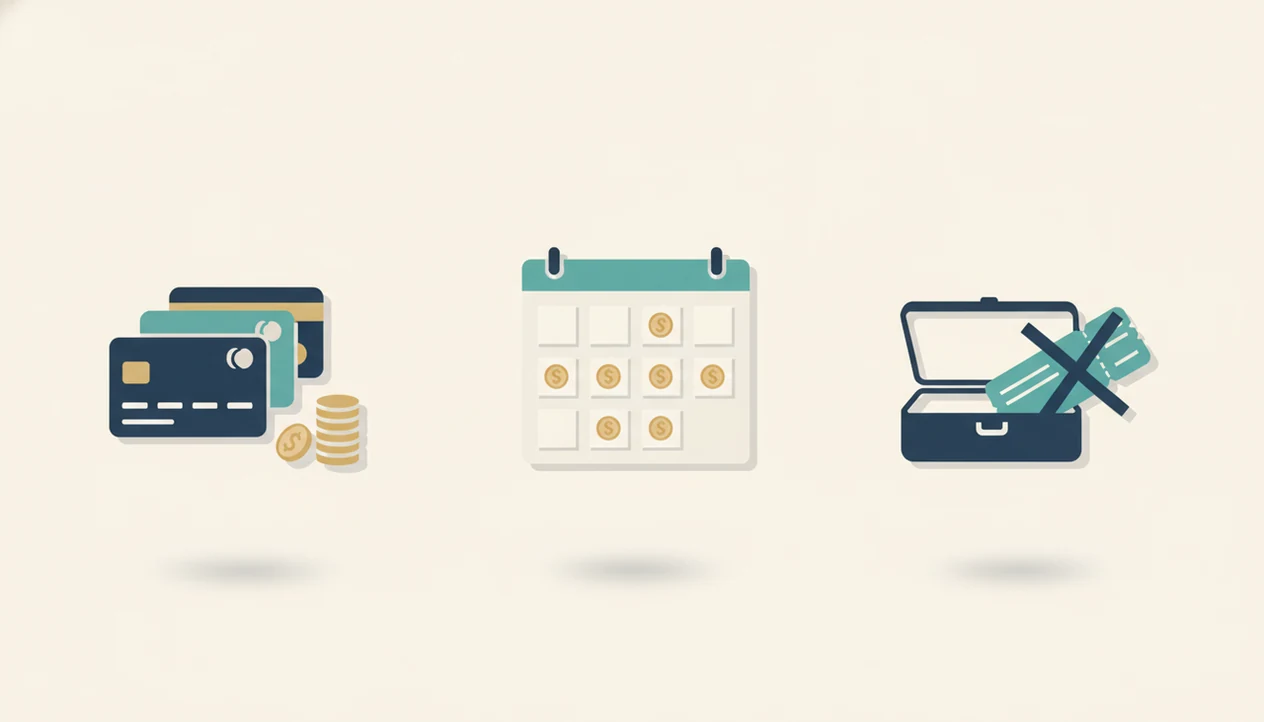
The cost question is not just “course fee versus therapy fee.” It is course fee, therapy sessions, and the hidden price of avoiding flights.
| Option | Price logic | Value risk |
|---|---|---|
| One-day course | Higher single payment | Weak if it lacks follow-up |
| Online course | Lower, flexible payment | Weak if there is no real exposure |
| Therapy | Multiple sessions | Higher cost, stronger personalization |
| Avoiding flights | Trains, fuel, hotels, lost time | Often emotionally expensive |
The cheapest option is not automatically the smartest one. A low-cost video course with no exposure may be less useful than a better-structured program. National Safety Council transportation-fatality data show passenger vehicles account for far more deaths than scheduled airline travel, so driving instead can feel safer while adding real-world risk (https://injuryfacts.nsc.org/home-and-community/safety-topics/deaths-by-transportation-mode/).
If avoidance is costing more than the fee emotionally, financially, or practically, a credible course is often worth serious consideration.
5-step checklist for choosing a fear of flying course
Use this checklist before you pay for any course, including big airline names, independent programs like flyconfident.com, or app-style options such as fearlessflyerapp.com. Make the plan boring on purpose.
- Define the flight outcome you need, such as boarding a short flight, tolerating turbulence, or making a long-haul trip.
- Check for CBT skills, exposure practice, aviation education, and qualified mental-health input.
- Ask what “success rate” means, such as course completion, graduation flight, or independent future flying.
- Review refund rules, post-course support, worksheets, and whether you can practice after the course.
- Avoid purely motivational courses with no structured practice, no instructor credentials, and no exposure plan.
For people comparing formats, Fear of Flying Guide fits the vetting stage because the best fear of flying course guide focuses on method, support, and practice rather than star ratings alone.
Review myths about fear of flying courses
Fear of flying course reviews can help, but only if you read for details. Look past the star rating and search for exposure, instructor quality, follow-up, and what happened on the next real flight.
- Myth: courses are just airline sales pitches. Reality: some credible programs use pilots and psychologists together.
- Myth: success means zero anxiety. Reality: success often means flying while managing anxiety.
- Myth: one afternoon cures a lifelong phobia. Reality: repeated practice and exposure matter.
- Myth: statistics alone cure flying fear. Reality: information must be paired with behavioral practice.
- Myth: all courses are equal. Reality: credentials, exposure design, and aftercare vary widely.
A good nervous flyer resource gives you aviation education, CBT-style coping tools, and exposure steps, not vague reassurance with a boarding pass graphic.
Fear of Flying Guide earns a place in review research because it helps readers compare what a course teaches against what anxiety treatment actually requires.
4-option decision framework for nervous flyers
“Should I choose a course, therapy, free resources, or both?” Use the option that matches your symptoms, deadline, and avoidance cost.
Choose a course if your fear is mostly flight-specific, you have a trip coming, and you want aircraft education plus supervised practice. Choose therapy first if symptoms are intense, complex, or not limited to flying. Use free resources first if you still fly but want better turbulence explanations, breathing drills, and a flight-day plan. Combine therapy plus a course if you need clinical pacing before a bigger exposure step.
If your shoulder strap tugs during a bump and your brain says “danger,” the next step is not another random forum thread. It is a prepared response.
Rule of thumb: a fear of flying course is worth it when avoidance is costing more than the course, but therapy is wiser when the fear is severe, traumatic, or widespread.
How to use a fear of flying course or therapy plan
Use a course or therapy plan as a practice schedule, not a one-time confidence boost. The goal is to turn flying from a crisis event into a rehearsed sequence you can repeat.
- Set one measurable flight goal, such as booking a 60-minute route, staying on board through takeoff, or completing a family trip, and name one backup support option before you need it.
- Choose the level of help that matches your symptoms: a course for flight-specific fear, therapy for panic or trauma patterns, or both when you need clinical pacing plus aviation practice.
- Practice exposure weekly before the flight date by watching boarding videos, visiting an airport, using a simulator, or taking a small step your plan has already defined.
- Write short coping scripts for booking, packing, boarding, and turbulence so your anxious brain does not have to improvise at the gate.
- Review what worked after each flight, what spiked anxiety, and what you will repeat soon, because long gaps can make the fear feel new again.
The win is not feeling calm every second. The win is having a plan you can use while anxious.
Limitations
Fear of flying courses can help, but they are not magic. Check these limits before booking, especially with programs that advertise dramatic success rates.
- Reported 95–98% success rates may measure immediate graduation flights, not independent long-term flying.
- A course may not be enough for severe panic disorder, PTSD, agoraphobia, substance dependence, or complex mental-health needs.
- Some programs are expensive relative to their evidence, credentials, or after-course support.
- Online-only courses may lack real exposure unless you deliberately practice at airports and on flights.
- Group courses can move too fast for some people and too slowly for others.
- Aviation safety education can reassure the logical brain while the body still panics.
- Benefits fade if you avoid flying again for months or years after the course.
Fear of Flying Guide is not a diagnosis or a substitute for therapy. It works better as a planning resource, especially when paired with practice.
FAQ
Do fear of flying courses work?
Credible fear of flying courses can work, especially when they use CBT skills, exposure practice, and aviation education. Results are less reliable when a course relies only on reassurance or motivation.
Are online flying courses worth it?
Online flying courses can be worth it if they teach structured skills and you practice them in real flight situations. They are weaker when they never move beyond videos.
Is therapy better for flying fear?
Therapy is better when flying fear is severe, trauma-linked, or part of broader anxiety. A course may fit better when the fear is mainly flight-specific.
How much do flying courses cost?
Flying course costs vary by format, instructor credentials, support, and whether a flight or simulator is included. Value depends more on exposure and expert input than price alone.
What happens in a flying course?
Most courses explain aircraft safety, turbulence, panic symptoms, breathing skills, and exposure practice. Some include airport visits, simulator work, or a supervised flight.
Can severe flying fear be cured?
Severe flying fear can often improve, but “cure” is too strong for many people. Long-term progress usually needs repeated exposure and continued practice.
Are airline fear courses reliable?
Some airline fear courses are credible because they use pilots, psychologists, and structured exposure. Check what their success claims measure before relying on the headline number.
Can free resources be enough?
Free resources can be enough for mild fear when you still fly and need better preparation. Paid support is wiser when avoidance, panic, or repeated cancellations are involved.