
How do planes stay in the air?
By the Fear of Flying Guide team · Updated
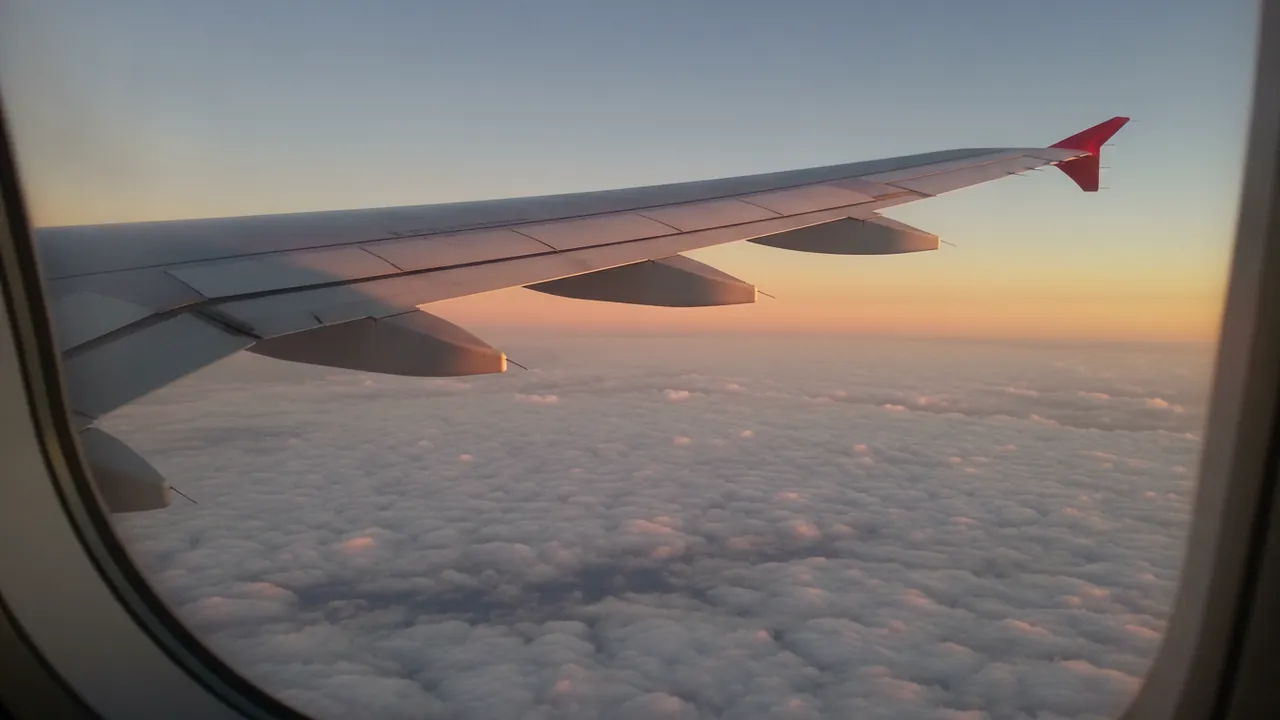
Planes stay in the air because their wings produce lift: as the plane moves forward, the wing pushes air downward and the air pushes the wing upward. The engines do not hold the plane up. They only supply the forward speed that makes the wings work, which is why a plane with no thrust at all still glides instead of dropping. Knowing this takes some of the mystery out of the whole thing, and mystery is what feeds a lot of fear of flying.
The four forces that keep a plane in the air
NASA describes flight as a balance of four forces. In steady level flight they cancel out, which is why the ride feels so still.
| Force | What it does | Where it comes from |
|---|---|---|
| Lift | Pushes the plane up | The wings, moving through air |
| Weight | Pulls the plane down | Gravity |
| Thrust | Pushes the plane forward | The engines |
| Drag | Slows the plane down | Air resistance |
Lift balances weight, and thrust balances drag. Change either side and the plane climbs, descends or changes speed. Pilots manage that balance all the way from takeoff to landing.
How a wing makes lift
You may have heard two explanations: air moves faster over the curved top of the wing, which lowers pressure (Bernoulli), or the wing deflects air downward and gets pushed up in return (Newton). NASA's Glenn Research Center says these are two descriptions of the same force, not rivals. The pressure difference around the wing and the downward turning of the air are both real, and together they add up to lift.
What matters for a passenger is simple: lift needs air flowing past the wing, and nothing else. It does not need the engines to be running at that moment.
Angle of attack and why the wing tilts
Lift depends on the angle at which the wing meets the air, called the angle of attack. A bigger angle gives more lift, up to a limit. Past that critical angle the airflow separates from the wing and lift drops sharply, which is called a stall. Airliners are flown well inside that limit, have warning systems long before it, and pilots practice recovery in simulators. At takeoff and landing, pilots extend flaps and slats from the wing edges. These change the shape of the wing so it can still make enough lift at slow speed, and the changes in sound and feel that you notice are covered in normal airplane sounds.
What happens if the engines stop
An airliner with no engine thrust does not fall like a stone. Gravity pulls it forward and down along a gentle slope, which keeps air flowing over the wings and keeps them producing lift. The pilots lower the nose to hold the right speed and trade altitude for distance. Two well-known events show it working. In 1983 an Air Canada Boeing 767 ran out of fuel at altitude and glided to a landing at Gimli, Manitoba. In January 2009 a US Airways Airbus A320 lost thrust in both engines after a bird strike and made a controlled landing on the Hudson River with all 155 people aboard surviving. Real engine failure is very rare, and airliners are certified to fly on one engine.
Why a heavy plane can fly
An airliner can weigh hundreds of tons, yet wings are large and the plane moves fast. Lift grows with wing area and with speed, so a heavy aircraft just needs to be moving fast enough. That is why takeoff takes a long roll down the runway. At cruise the plane flies steadily at a speed and height chosen for the best balance of fuel and performance, covered in how high planes fly.
Why a plane still bumps in the air
The air is not still, so the plane meets rising, sinking and shearing air that briefly changes the lift on the wings. That is turbulence, and it moves the plane the way waves move a boat. The aircraft keeps flying through it. If the physics helps you, what causes turbulence explains where it comes from, and why turbulence feels like dropping explains the sensation.
Frequently asked questions
How do planes stay in the air without falling?
Wings generate lift as the plane moves through the air, and the engines keep it moving fast enough. In steady flight lift equals weight, and without thrust the plane glides downward.
Can airplanes stay still in the air without moving?
Fixed-wing airliners cannot hover, because they need forward speed to make lift. In a holding pattern they fly slow circles, while helicopters hover using their rotors.
How do planes stay in the air when they are so heavy?
Lift depends on wing area and speed, so large wings and high takeoff speed produce enough lift to match even a heavy plane. A heavier plane simply needs a longer takeoff run.
What happens if both engines fail on a plane?
The plane becomes a glider, and pilots lower the nose, hold the right speed and fly to the nearest suitable landing area. This has ended safely, including the 2009 Hudson River landing.
Do planes stay in the air during turbulence?
Planes keep flying through turbulence. It changes the air the wings pass through for a moment, but the wings keep producing lift and are certified for loads far above normal turbulence.
What is lift in simple terms?
Lift is the upward force a wing creates when moving air flows over and under it, pushing air downward so the wing is pushed up. More speed or wing area means more lift.